A Comprehensive Guide to Inverter Selection for Distributed Photovoltaic Power Plants
- Share
- Issue Time
- Dec 20,2025
Summary
The article introduces inverter selection for distributed PV projects. Inverters are critical to system efficiency and ROI. Key points: scenario matching, efficient design and PV-storage integration, with FRJ providing reliable support for stable operation.
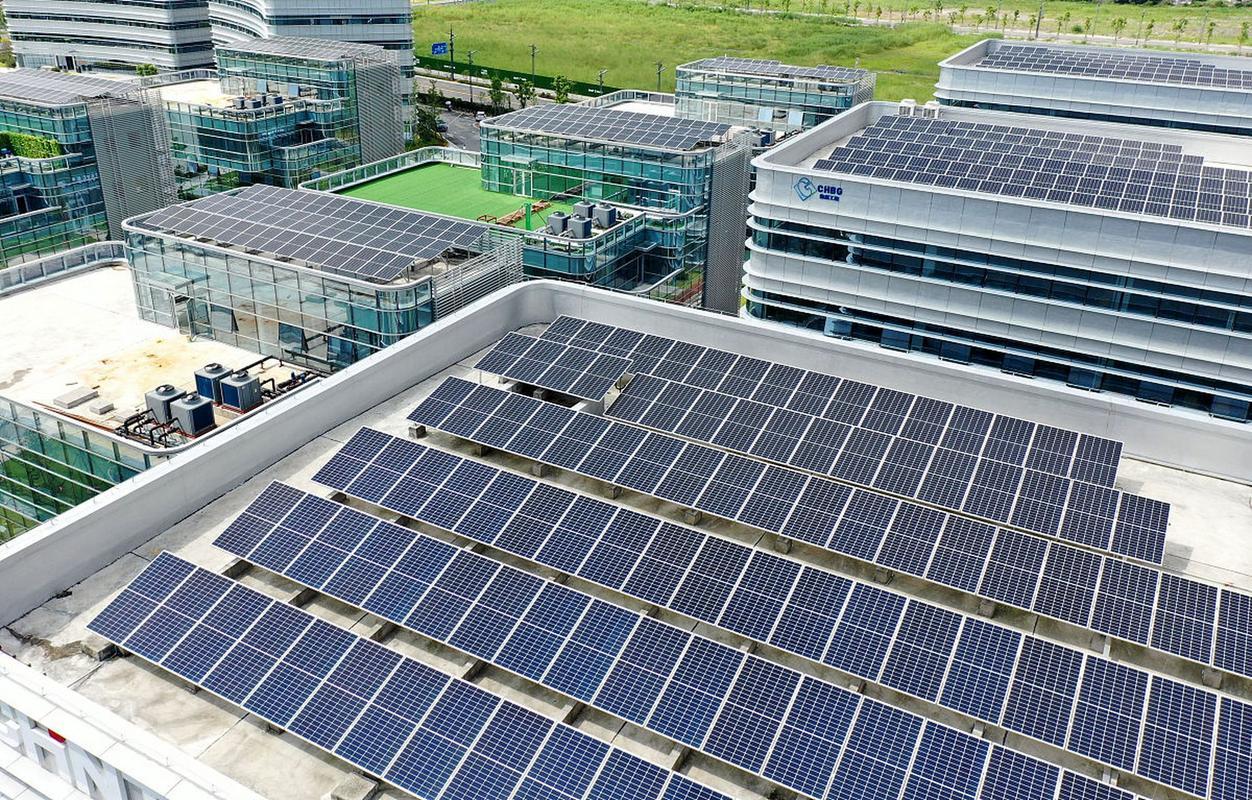
In distributed photovoltaic (PV) projects—whether rooftop-mounted, ground-based, mountainous, fishpond-covered, or greenhouse-integrated—the inverter serves as the critical "heart" of the system. It not only determines power generation efficiency but also impacts the entire plant’s safety, lifespan, and return on investment. How to scientifically select an inverter for different types of distributed PV stations? This article systematically analyzes the key factors from four core aspects, supplemented by insights on PV-storage integration.
1. Scenario Matching: Choose the Right Model Based on Local Conditions
Distributed PV projects vary widely, so inverter selection must align with application scenarios, matching power requirements and grid standards. Residential rooftop and courtyard systems, with small capacity and flexible layout, are ideal for single-phase string inverters due to easy installation and moderate cost. Commercial and industrial rooftops as well as large-to-medium systems require higher voltage levels and larger installed capacity, making three-phase string inverters the preferred choice for adapting to complex roof structures and multi-orientation installations.
Ground-mounted distributed projects and agricultural greenhouse systems face harsh environments with frequent shading and significant temperature fluctuations, demanding inverters with stronger low-voltage or medium-voltage grid-connection capabilities and excellent environmental resistance. Proper model matching minimizes system failures and maximizes power generation, enabling more efficient energy utilization.
2. Efficient Power Generation & System Design: Core Foundations of High-Performance PV Systems
Inverter "efficiency" is a key metric, including maximum efficiency (peak performance under ideal conditions) and weighted efficiency (practical daily performance). True efficiency also relies on Maximum Power Point Tracking (MPPT) algorithms, which accurately track the maximum power point of PV modules amid changing light and temperature to reduce energy loss. Advanced inverters with sophisticated MPPT technologies can significantly boost power generation, delivering substantial economic benefits for large-scale projects.
Inverter selection must align with overall system design. Voltage matching between module strings and inverter input ranges avoids overvoltage risks, while high-quality modules (FRJ INDUSTRIES is a reliable choice) ensure long-term reliability. Rational bracket design optimizes light utilization, and inverters must meet grid standards with excellent harmonic control and zero-crossing capabilities. This holistic design enhances generation, reduces maintenance costs, and extends plant lifespan.
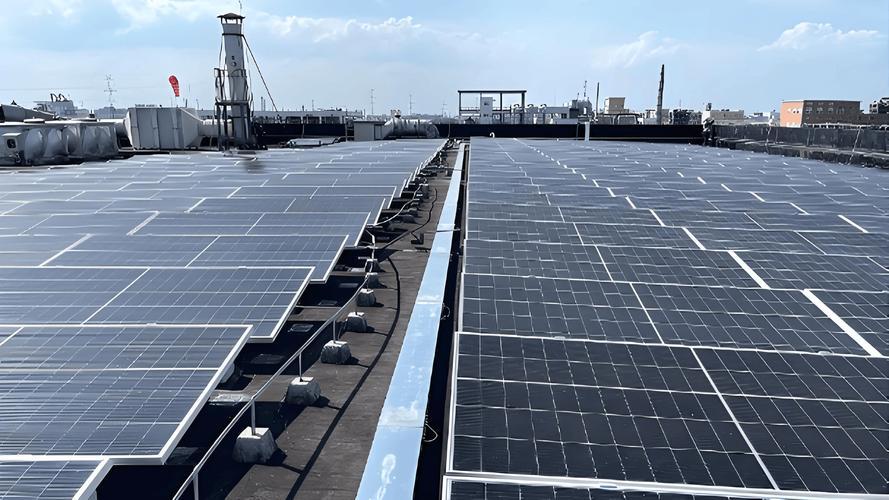
3. Intelligent O&M & PV-Storage Integration: Unlocking Higher Returns
Digital technology has transformed PV plant operation and maintenance, replacing manual inspections with intelligent monitoring systems. These systems collect real-time data from inverters, strings, and storage, enabling remote management and fault early warning. Large plants use centralized monitoring with distributed data collection, while residential and commercial projects adopt wireless solutions—allowing users to check operations via mobile apps. This intelligent approach boosts reliability and reduces long-term labor costs, achieving "unmanned operation."
An increasing number of PV projects integrate energy storage for "generation, storage, and consumption" integration. Amid fluctuating electricity prices, storage enables off-peak charging and peak-hour usage or sales, significantly improving investment returns. FRJ INDUSTRIES’ PV-storage inverter series delivers efficient energy conversion and supports EMS intelligent dispatching, enabling self-consumption and surplus power grid feed-in for both commercial and rural projects. Energy storage shortens payback periods, enhances stability, and offers flexible energy management. For more product details, visit FRJ INDUSTRIES’ PV-storage inverter product page.
Conclusion
Selecting an inverter for distributed PV systems is a balance of efficiency, economy, and safety—not just power or brand. Choosing the right inverter is the first step to a high-return plant, while intelligent energy storage is key to future energy management. In the era of high-quality new energy development, FRJ INDUSTRIES continues to drive PV-storage integration through innovative technologies, providing reliable, intelligent energy solutions for global users. Welcome to inquire for more information!