A Comprehensive Guide to Selecting Durable Equipment Enclosure Materials.
- Share
- Issue Time
- Nov 18,2026
Summary
Protecting valuable equipment in diverse operational settings is crucial for avoiding costly downtime and premature failures. This comprehensive guide highlights that an equipment enclosure is more than just a container; it's a strategic investment that preserves assets, ensures continuity, and maintains safety. Unprotected equipment can lead to significant financial losses from downtime and damage caused by environmental factors like corrosion, dust, extreme temperatures, and physical impact. A

In today's diverse operational environments, protecting valuable equipment is not just a best practice; it's a necessity. From industrial machinery on a factory floor to sensitive electronics in a remote telecom station, exposure to harsh weather, extreme temperatures, theft, and vandalism can lead to costly downtime and premature equipment failure. The proper housing for these assets is a critical decision that directly impacts their longevity, performance, and safety. It’s about more than just putting them in a box; it’s about investing in a robust shield tailored to your specific operational needs.
Join us as we explore the essential properties that define a durable material, delve into the unique benefits of options like fiberglass, and examine key features that constitute a truly superior equipment enclosure. This guide will empower you to make an informed choice, ensuring your critical assets receive lasting protection for years to come.
Key Takeaways
- The High Cost of Unprotected Equipment: Failing to protect equipment can lead to massive financial losses from unplanned downtime, which includes not just repair costs but also lost production, idle labor, and damage to your company's reputation. Environmental factors like moisture, dust, extreme temperatures, and corrosion are primary culprits in shortening equipment lifespan.
- Enclosures Boost Operational Efficiency: A well-designed enclosure does more than protect; it enhances efficiency. By creating a controlled, organized environment, it ensures machinery operates at optimal levels, simplifies maintenance, and reduces the risk of accidents. This leads to fewer interruptions and a more streamlined workflow.
- Material Properties are Foundational: The durability of an enclosure starts with its material. Key properties to consider are strength and impact resistance (to prevent physical damage), weather and environmental resilience (to fight corrosion and UV degradation), fire resistance (for safety), and thermal insulation (to aid in climate control).
- Fiberglass as a Premier Choice: Fiberglass stands out due to its exceptional durability, resistance to corrosion and chemicals, and excellent electrical and thermal insulation properties. It does not rust or degrade like metal in harsh environments and provides a non-conductive barrier, enhancing safety around electrical components.
- Beyond the Material—Essential Features: A superior enclosure is defined by more than its material. Critical features include integrated climate control systems (heating and cooling), robust security and access solutions, noise reduction capabilities, and adherence to industry standards like NEMA and IP ratings, which certify levels of protection against environmental ingress.
- Customization is Key: There is no one-size-fits-all solution. Matching the enclosure material and features to the specific application is crucial. Consulting with experts to design a custom solution ensures all operational, environmental, and safety requirements are met, providing the best long-term value and protection.
Why a Robust Equipment Enclosure is Your First Line of Defense
In any industrial, commercial, or public utility setting, the equipment is the engine of operations. Whether it's a pump, a generator, or a complex control panel, its reliable function is non-negotiable. An equipment enclosure serves as the first and most critical line of defense against a barrage of threats that can compromise this reliability. It's not merely a container but a strategic asset that preserves capital investment, ensures operational continuity, and maintains a safe working environment.
The Cost of Neglect: Risks to Unprotected Equipment
Leaving vital equipment exposed to the elements or other workplace hazards is a gamble with prohibitively high stakes. The cost of this neglect extends far beyond the price of simple repairs. Unplanned downtime is a significant financial drain, estimated to cost some industries hundreds of thousands of dollars per hour. In manufacturing, it can lead to losses of up to $2.3 million per hour. These costs are multifaceted, including tangible expenses like lost production output, idle labor, emergency repair fees, and expedited shipping for parts.
Beyond the immediate financial hit, there are intangible costs that can be even more damaging. A failure to meet deadlines can harm a company's reputation and erode customer trust. The constant stress of dealing with failing equipment can also lead to a decline in employee morale and a shift in focus from proactive improvement to reactive crisis management.
Environmental threats are a primary cause of premature equipment failure. These include:
- Corrosion: Moisture, salt spray in coastal areas, and corrosive chemicals can cause rust and systemic degradation, severely shortening the lifespan of metal components.
- Dust and Debris: Airborne particles are a major threat in industrial and agricultural settings. They can clog filters, jam moving parts, and create conductive bridges on circuit boards, leading to short circuits and overheating.
- Extreme Temperatures: High heat can cause sensitive electronics to overheat and fail, while freezing temperatures can make components brittle and cause fluids to become too viscous.
- Weather and Physical Impact: Rain, snow, high winds, and flying debris can directly damage equipment, while accidental impacts or vandalism pose a constant threat in unsecured locations.
- Pests: Rodents and insects can chew through wiring and build nests inside machinery, causing short circuits and mechanical blockages.
Without a proper enclosure, these risks can lead to a cascade of failures, each one contributing to a cycle of expensive, unplanned downtime and operational chaos.
Beyond Protection: The Role of an Equipment Enclosure in Operational Efficiency
A high-quality equipment enclosure offers benefits that extend far beyond simple protection. It is a tool for optimizing workflow and enhancing overall operational efficiency. By housing equipment in a clean, organized, and controlled environment, an enclosure ensures that machinery operates at its peak performance level.
This controlled environment has several key advantages:
- Simplified Maintenance: Clean equipment is easier and faster to service. Technicians don't have to waste time cleaning away grime and debris before they can access critical components, reducing maintenance time and costs.
- Improved Safety: Enclosures act as a physical barrier, preventing accidental contact with dangerous moving parts or high-voltage electrical components. This is crucial for complying with workplace safety regulations and preventing tragic accidents. A well-designed enclosure with clear labeling and organized cable management also reduces the risk of human error during maintenance or operation.
- Streamlined Operations: When equipment is properly housed and organized, it contributes to a more efficient and less chaotic work environment. This structured setup minimizes the time employees waste searching for tools or navigating cluttered spaces, leading to measurable productivity gains.
- Enhanced Equipment Lifespan: By shielding equipment from environmental hazards and maintaining optimal operating conditions, enclosures directly extend the service life of valuable assets. This translates into a higher return on investment and lower long-term capital expenditure.
Ultimately, investing in the right enclosure is an investment in operational excellence. It transforms equipment from a vulnerable liability into a reliable, efficient, and safe asset that supports the core functions of the business.

Essential Material Properties for Any Equipment Enclosure
Selecting the right material is the most fundamental decision in equipment enclosure design. The material dictates the enclosure's ability to withstand its intended environment, protect the equipment inside, and ensure the safety of personnel. Four key properties form the bedrock of a durable and reliable enclosure: strength, environmental resilience, safety, and thermal management.
The Foundation of Durability: Strength and Impact Resistance
An equipment enclosure must be robust enough to resist physical damage from accidental impacts, falling objects, and vandalism. This is quantified by its impact resistance, a standardized measure of how much energy a material can absorb before it cracks or breaks.
The most recognized standard for impact resistance is the IK rating, as defined by international standard IEC 62262. This scale classifies enclosures from IK00 (no protection) to IK10 (the highest standard level, protecting against 20 joules of impact). To put this in perspective, an IK10 rating means the enclosure can withstand the impact of a 5 kg (11 lb) mass dropped from 400 mm (about 15.7 inches) without failing. In industrial, public, or high-traffic areas, an IK08 rating (5 joules of impact) is often considered the minimum, while an IK10 rating provides a superior level of protection against significant mechanical abuse. Such a rating ensures that an accidental strike from a tool or a deliberate kick will not breach the housing and expose sensitive components.
Guarding Against the Elements: Weather and Environmental Resilience
For outdoor and industrial applications, an enclosure's primary job is to shield equipment from environmental threats. This resilience covers several key areas:
- Corrosion Resistance: In environments with moisture, chemicals, or salt spray (like coastal or marine locations), corrosion is a primary enemy of metal enclosures. Untreated steel will rust, and even aluminum can degrade. Materials like fiberglass and 316 stainless steel offer superior corrosion resistance, making them ideal for these harsh conditions.
- Water and Dust Ingress Protection: The ability to keep out water and solids is critical. This is defined by standards like NEMA 250 in North America and IP ratings internationally. A NEMA 4X rating, for instance, indicates an enclosure is watertight, dust-tight, and corrosion-resistant, making it suitable for washdown environments and outdoor use. The NEMA 250 standard is comprehensive, including tests for rain, ice, corrosion, and oil resistance that go beyond typical IP ratings.
- UV Resistance: Equipment installed in direct sunlight is under constant assault from ultraviolet (UV) radiation. Over time, UV rays can degrade certain plastics, causing them to become brittle, discolor, and lose structural integrity—a process known as photodegradation. While some materials like standard polycarbonate can be vulnerable, specially formulated UV-stabilized polycarbonate and fiberglass offer excellent long-term resistance. Fiberglass is particularly well-regarded for its inherent durability under prolonged sun exposure, often lasting for decades without significant structural breakdown.
Safety First: Fire Resistance and Electrical Insulation for Your Equipment Enclosure
Safety is a non-negotiable aspect of enclosure design, especially when housing electrical components. Two material properties are paramount: fire resistance and electrical insulation.
Fire Resistance: In the event of an electrical fault or external blaze, the enclosure material should resist catching fire and spreading flames. Plastic materials are rated for flammability using the UL 94 standard. This standard classifies materials into several categories based on their burning characteristics. The ratings range from "HB" (slow-burning) to more protective vertical burn ratings like "V-0," which requires the material to self-extinguish within 10 seconds without producing flaming drips. The highest ratings are "5VA" and "5VB," which are tested with a flame source five times more intense and are essential for enclosures containing high-energy equipment. Materials like aluminum and steel are naturally non-combustible.
Electrical Insulation: Non-metallic materials like plastics and fiberglass are electrical insulators, which adds a significant layer of safety. This property is measured by dielectric strength, which is the maximum electric field a material can withstand without breaking down and becoming conductive. A material with high dielectric strength prevents electrical arcing and short circuits, reducing the risk of electric shock to personnel who may come into contact with the enclosure. This is a critical advantage over metal enclosures, which must be properly grounded to be safe. Fiberglass and various engineered plastics offer excellent dielectric properties, making them a preferred choice for housing electrical systems.
Thermal Management: How Materials Contribute to Climate Control
The temperature inside an enclosure has a direct impact on the performance and lifespan of the equipment within. The enclosure material itself plays a role in managing this internal climate. This is related to its thermal conductivity, which measures the rate at which heat flows through the material.
Materials with high thermal conductivity, like aluminum (approx. 235 W/m·K), are good at dissipating heat from the enclosure to the outside environment. This can be beneficial for passive cooling when the external ambient temperature is lower than the desired internal temperature.
Conversely, materials with low thermal conductivity, such as stainless steel (approx. 15 W/m·K), polyurethane (approx. 0.12 W/m·K), and plastics, are better insulators. They slow the transfer of heat, which can be an advantage in several scenarios:
- Protecting from External Heat: In hot, sunny climates, an insulating material helps to reduce the amount of solar heat gain, keeping the internal components cooler. A light-colored finish can further help by reflecting solar radiation.
- Maintaining Internal Heat: In cold climates, an insulating material helps to retain the heat generated by the equipment or an internal heater, preventing components from freezing or becoming too cold to operate correctly.
Therefore, material selection is a crucial first step in an effective thermal management strategy, whether the goal is passive cooling or heat retention.
| Material Property | Key Standard/Measure | Why It Matters for Enclosures | Common Materials Meeting High Standards |
|---|---|---|---|
| Impact Resistance | IK Rating (IEC 62262) | Protects against physical damage, vandalism, and accidental impacts. | Polycarbonate (IK10), Fiberglass, Steel |
| Weather Resistance | NEMA 250 / IP Rating | Prevents ingress of water, dust, and corrosive agents. | Fiberglass, 316 Stainless Steel, UV-stabilized Polycarbonate |
| Fire Resistance | UL 94 Flame Rating | Prevents ignition and spread of fire in case of electrical faults. | Materials with V-0 or 5VA rating, Steel, Aluminum |
| Electrical Insulation | Dielectric Strength (kV/mm) | Prevents electrical shock and ensures safety for personnel. | Fiberglass, Polycarbonate, ABS, and other plastics. |
| Thermal Conductivity | W/(m·K) | Influences passive cooling and insulation, affecting internal temperature control. | Aluminum (High), Fiberglass/Plastics/Stainless Steel (Low) |
 ## Fiberglass: A Versatile Choice for High-Performance Equipment Enclosures
When it comes to selecting a material that offers a superior balance of strength, durability, and safety, fiberglass stands out as a premier choice for high-performance equipment enclosures. Also known as glass-reinforced plastic (GRP), fiberglass is a composite material made from fine glass fibers embedded in a polymer resin. This combination produces a material that is both incredibly strong and remarkably lightweight, capable of protecting critical equipment in some of the world's most demanding environments.
Understanding the Spectrum: Different Types of Fiberglass for Equipment Enclosures
Not all fiberglass is created equal. The specific type of glass fiber used in the composite determines its core properties, making it suitable for different applications. The main types of glass fiber relevant to enclosures are A-Glass, C-Glass, E-Glass, and S-Glass.
Standard and Chemical-Resistant Grades (A-Glass, C-Glass)
- A-Glass (Alkali Glass): This is the most basic and common type of glass fiber, similar in composition to window glass. While it is cost-effective, its resistance to chemicals is limited.
- C-Glass (Chemical Glass): As its name implies, C-Glass is engineered for excellent resistance to chemical corrosion, particularly from acids. With a composition rich in calcium borosilicate, C-Glass is ideal for enclosures used in chemical processing plants, wastewater treatment facilities, and other environments where exposure to corrosive agents is a primary concern. It offers superior durability where chemical stability is more critical than raw mechanical strength.
Superior Electrical and Structural Grades (E-Glass, S-Glass)
- E-Glass (Electrical Glass): E-glass is the most widely used reinforcement for composites and enclosures due to its outstanding combination of properties. It is a low-alkali glass that offers excellent electrical insulation, making it ideal for housing electronic and electrical equipment. Beyond its electrical properties, E-Glass provides a good balance of strength, durability, and cost-effectiveness, making it the workhorse of the industry.
- S-Glass (Structural Glass): Originally developed for military and aerospace applications, S-Glass is a high-strength fiberglass. Compared to E-Glass, S-Glass can be up to 40% stronger in tensile strength and is about 20% stiffer, offering a superior strength-to-weight ratio. This makes it the material of choice for applications where extreme structural integrity, high impact resistance, and performance under stress are required.
Unpacking the Advantages: Key Benefits of Fiberglass in Equipment Enclosures
Choosing fiberglass for an equipment enclosure brings a host of benefits that directly contribute to longevity, safety, and a lower total cost of ownership.
Unmatched Durability and Resistance to Corrosion
One of the most significant advantages of fiberglass is its inherent resistance to corrosion. Unlike steel and aluminum, fiberglass will not rust, oxidize, or degrade when exposed to moisture, salt spray, or harsh chemicals. This makes it the ideal material for coastal, marine, and industrial applications where metal enclosures would require frequent maintenance or premature replacement. A well-manufactured fiberglass enclosure can provide reliable service for decades, even in the most aggressive environments.
Excellent Electrical and Thermal Insulation Properties
Fiberglass is a natural electrical insulator with high dielectric strength. This non-conductive property provides an inherent safety barrier, protecting personnel from accidental electric shock. It also makes fiberglass enclosures ideal for housing sensitive electronics and wireless communication equipment, as the material does not interfere with radio frequency (RF) signals. Furthermore, fiberglass has low thermal conductivity, meaning it is a poor conductor of heat. This property helps to insulate the equipment inside from extreme ambient temperatures, both hot and cold, contributing to more stable operating conditions.
Fire Safety and Non-Toxic Attributes
While the glass fibers themselves are non-combustible, the resin used in the composite can be flammable. However, modern fiberglass enclosures are manufactured with fire-retardant resins that are designed to self-extinguish and meet stringent safety standards like UL 94. It's important to note that when these resins do burn at very high temperatures, they can release toxic smoke. Therefore, selecting an enclosure with a high flame-retardant rating (such as V-0) and ensuring proper ventilation in case of a fire are crucial safety considerations.
Pest and Moisture Resistance for Long-Lasting Equipment Enclosures
Fiberglass enclosures create a formidable barrier against moisture. Their composite structure is inherently waterproof and, when properly sealed, prevents water ingress that could damage internal components. While fiberglass as an insulation material can be made into a comfortable nesting spot for rodents, a hard-sided fiberglass enclosure is a different matter. The hard, non-porous surface of a fiberglass enclosure does not provide a food source for pests and is resistant to being chewed through by rodents and insects, ensuring the long-term integrity of the shelter. This makes it a durable choice for protecting equipment in remote or rural locations where pest intrusion is a concern.## Beyond Material: Key Features that Define a Superior Equipment Enclosure
While the choice of material lays the groundwork for a durable enclosure, a truly superior solution is defined by a range of integrated features designed to optimize performance, security, and safety. These features transform a simple box into a comprehensive protective system tailored to the specific needs of the equipment and its environment.
Climate Control: Keeping Your Equipment Enclosure at the Right Temperature
Maintaining a stable internal temperature is crucial for the reliability and longevity of electronic components and mechanical equipment. Extreme heat can cause premature failure, while cold can lead to condensation and mechanical issues. A comprehensive climate control strategy involves both cooling and heating solutions.
Cooling Solutions for Heat-Generating Equipment
Many types of electronic equipment, such as VFDs, power supplies, and processors, generate a significant amount of heat during operation. Without adequate cooling, the internal temperature of the enclosure can quickly rise to dangerous levels. The appropriate cooling solution depends on the heat load and the ambient environment:
- Filtered Fans: For applications with a moderate heat load where the ambient air is clean and cooler than the desired internal temperature, filtered fans are a cost-effective solution. They create airflow by drawing cooler outside air into the enclosure and expelling hot air. However, they are an "open-loop" solution, meaning they introduce ambient air and any contaminants it may carry.
- Heat Exchangers: In environments where the enclosure must remain sealed to protect against dust, moisture, or corrosive gases, a heat exchanger is an excellent "closed-loop" option. It transfers heat from the inside air to the outside air without mixing the two, keeping internal components clean and dry. Heat exchangers are effective as long as the ambient temperature remains lower than the target internal temperature.
- Air Conditioners: When the ambient temperature is higher than the desired internal temperature, or when a very high heat load must be removed, an enclosure air conditioner is necessary. Air conditioners use a refrigeration cycle to actively cool the air inside a sealed enclosure, allowing for precise temperature control even in hot environments.
Heating for Cold Environments and Viscous Fluids
In cold climates, low temperatures can be just as damaging as excessive heat. Components can become brittle, and lubricants or other fluids can become too viscous to function correctly. Enclosure heaters are designed to prevent these issues. These devices provide consistent warmth to:
- Prevent the formation of condensation on electronic components, which can cause short circuits and corrosion.
- Keep internal temperatures above the minimum operating threshold for sensitive equipment.
- Ensure fluids within pumps and other mechanical systems remain at a functional viscosity.
Enclosure heaters are often used with a thermostat for precise temperature regulation, ensuring energy is used efficiently.
Security and Accessibility: Balancing Protection and Maintenance for Your Equipment Enclosure
An enclosure must not only protect equipment from environmental threats but also from unauthorized access, tampering, and theft. At the same time, it must allow authorized personnel to perform maintenance easily and safely. Achieving this balance requires thoughtful design of security and access features:
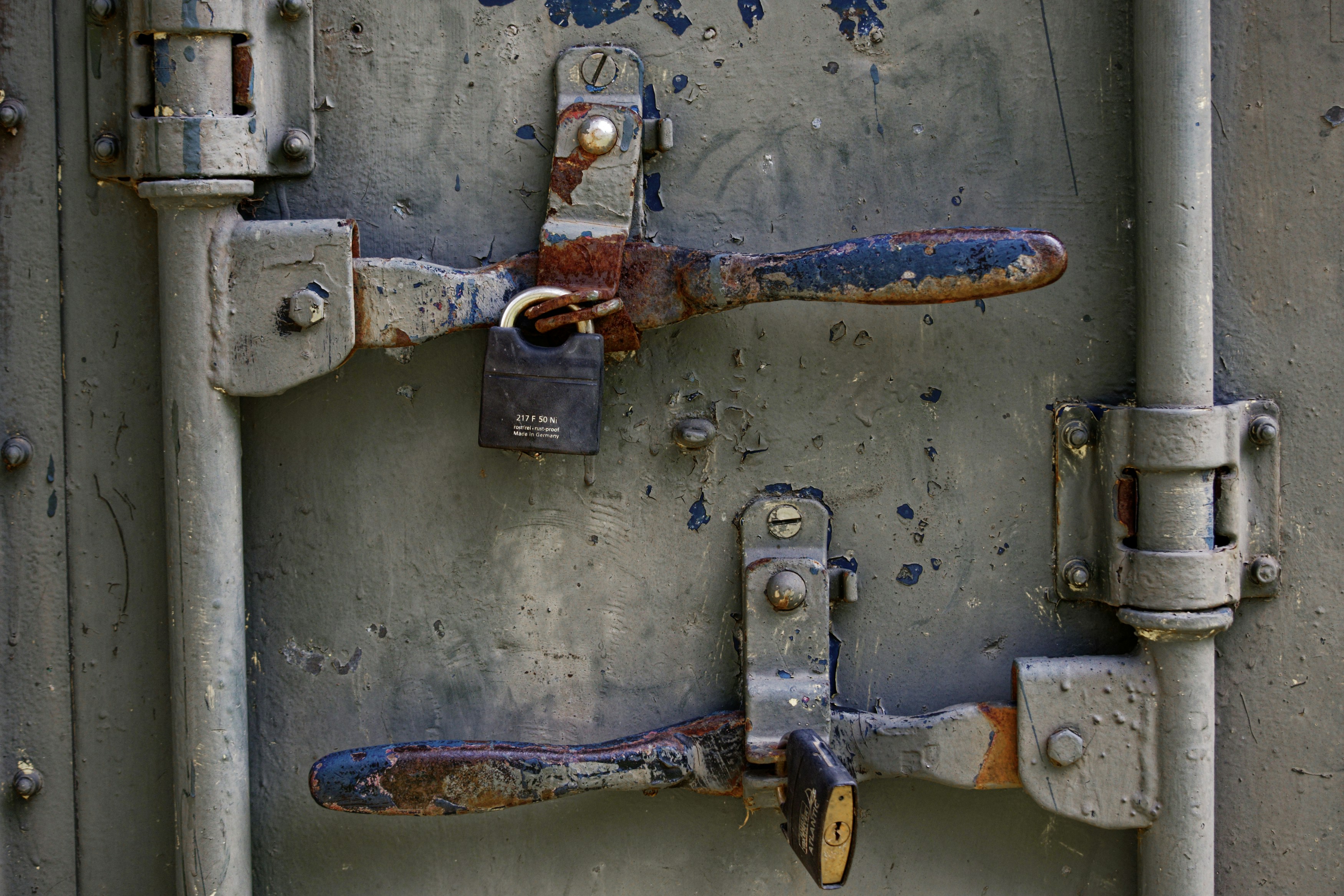
- Locking Mechanisms: Robust, industrial-grade locking mechanisms are the first line of defense. Options range from simple key locks to more advanced electronic access control systems. The goal is to make unauthorized entry difficult and time-consuming.
- Tamper-Resistant Hardware: Features like concealed hinges, reinforced doors, and tamper-evident seals make it harder for intruders to force their way in and provide clear signs if a breach has occurred.
- Strategic Design for Maintenance: A well-designed enclosure facilitates safe and efficient maintenance. This can include features like removable panels, strategically placed access doors, and well-organized internal layouts that allow technicians to reach components without compromising safety. Proper placement of the enclosure itself—avoiding high-traffic or high-vibration areas—can also contribute to both security and ease of access.
Noise Reduction: Creating a Quieter Environment with Your Equipment Enclosure
Many types of industrial equipment, such as pumps, compressors, and generators, produce significant noise. High noise levels can be a workplace hazard, violating OSHA standards, and can also be a nuisance in residential or commercial areas. Acoustic enclosures are specifically designed to control this noise. They work by:
- Blocking Sound (Insulation): Using panels with high mass, such as steel or heavy composite materials, to block sound from escaping the enclosure.
- Absorbing Sound (Absorption): Lining the interior of the enclosure with sound-absorbing materials like acoustic foam or mineral wool. This reduces the reflection of sound waves inside the enclosure, lowering the overall noise level.
- Vibration Damping: Isolating the equipment from the enclosure structure with vibration-damping mounts to prevent noise from being transmitted through the structure itself.
A well-designed acoustic enclosure can reduce noise levels by 20 to 55 decibels, creating a safer and quieter environment.
Meeting the Standards: NEMA and IP Ratings for Equipment Enclosures
To ensure an enclosure provides the level of protection it claims, standardized rating systems are used. The two most common are NEMA ratings (used primarily in North America) and IP ratings (used internationally).
IP (Ingress Protection) Ratings: This system uses a two-digit code (e.g., IP66). The first digit (0-6) indicates protection against solid objects, from large body parts down to dust. A "6" means the enclosure is completely dust-tight. The second digit (0-9) indicates protection against water, from dripping water to powerful jets and even full submersion. A "6" means the enclosure is protected against powerful water jets.
NEMA (National Electrical Manufacturers Association) Ratings: NEMA ratings are more comprehensive than IP ratings. They not only cover ingress of solids and water but also specify protection against other factors like corrosion and ice formation. For example:
- NEMA 3R: Designed for outdoor use, it protects against rain, sleet, and snow but is not dust-tight. It is a cost-effective choice for many outdoor applications where windblown dust is not a primary concern.
- NEMA 4X: Offers the same water protection as NEMA 4 (watertight, resistant to hose-directed water) but adds a crucial layer of corrosion resistance. This makes it ideal for harsh environments like coastal areas or chemical plants.
While there are approximate conversions between the two systems (e.g., NEMA 4X is often considered equivalent to or exceeding IP66), they are not directly interchangeable because they use different testing methods. NEMA's a broader environmental survival standard, making it particularly useful for industrial applications in North America.
| Feature | Purpose | Common Solutions | Related Standards |
|---|---|---|---|
| Cooling | Prevent overheating | Fans, Heat Exchangers, Air Conditioners | - |
| Heating | Prevent freezing & condensation | Convection Heaters, Fan Heaters | - |
| Security | Prevent unauthorized access | Locking Handles, Tamper-Resistant Hardware | - |
| Noise Reduction | Control equipment noise | Acoustic Panels, Sound-Absorbing Liners, Vibration Dampers | OSHA Noise Exposure Standards |
| Ingress Protection | Certify protection level | Gasket Seals, Watertight Construction | NEMA 250, IP (IEC 60529) |
Making the Informed Decision: Selecting the Ideal Equipment Enclosure Material
Choosing the right equipment enclosure is not a one-size-fits-all process. It's a strategic decision that requires a careful analysis of your specific operational needs, environmental challenges, and long-term goals. The ideal choice balances performance, cost, and safety to deliver the best possible return on investment.
Matching Material to Your Specific Application Needs
The first step in selecting an enclosure is to conduct a thorough assessment of the application. The environment in which the equipment operates will be the primary driver of material selection. Consider the following scenarios:
- Corrosive Environments: For applications near the coast, in wastewater treatment plants, or at chemical processing facilities, corrosion is the main enemy. In these cases, fiberglass or 316 stainless steel are the superior choices. They are inherently resistant to rust, salt spray, and a wide range of chemicals, offering a much longer service life than carbon steel or aluminum.
- Outdoor and High-UV Environments: If the enclosure will be exposed to direct sunlight for extended periods, UV resistance is critical. UV-stabilized polycarbonate and fiberglass are excellent options. Fiberglass, in particular, is known for its long-term structural integrity under years of sun exposure.
- Indoor Industrial Settings: In a typical factory or warehouse, protection against dust, dirt, and occasional impacts is the main priority. Here, powder-coated steel, polycarbonate, or fiberglass can all be effective. The choice may come down to factors like impact resistance requirements (where polycarbonate excels) and cost.
- High-Impact or Vandalism-Prone Areas: For equipment in public spaces or high-traffic industrial zones, the ability to withstand physical abuse is paramount. Stainless steel offers maximum strength and security, while high-impact-rated polycarbonate provides a strong yet lightweight alternative.
- Wireless Communication Applications: When the enclosure needs to house antennas or other RF equipment, a metal enclosure will block signals. In this case, non-metallic materials like fiberglass or polycarbonate are essential as they are transparent to radio waves.
The Value of Customization and Expert Consultation for Your Equipment Enclosure
Off-the-shelf enclosures can meet many common needs, but they often require compromises. A custom enclosure, on the other hand, is designed and built to your exact specifications, offering numerous advantages:
- Precision Fit: A custom design ensures all your components fit perfectly, with cutouts, mounting points, and internal layouts optimized for your specific equipment. This eliminates the need for costly and time-consuming on-site modifications.
- Integrated Solutions: Customization allows for the seamless integration of all necessary features, including climate control, specific locking mechanisms, cable management, and branding elements like logos and custom colors.
- Enhanced Performance and Safety: By designing the enclosure around the application, you can optimize for critical factors like airflow, thermal management, and accessibility, leading to better equipment performance and safer maintenance procedures.
- Long-Term Cost Savings: While a custom enclosure may have a higher initial cost, it often delivers superior long-term value. A purpose-built solution reduces installation time, improves equipment reliability, minimizes maintenance, and lowers the risk of premature failure, resulting in a lower total cost of ownership.
Given the complexity of material properties, industry standards, and application-specific requirements, consulting with an enclosure specialist is a wise investment. Experts can help you navigate the options, analyze your needs, and engineer a solution that provides the optimal balance of protection, performance, and cost. Their experience ensures that you avoid common pitfalls like over-specifying (and overpaying) or under-specifying (and risking equipment failure).
Frequently Asked Questions (FAQ)
1. What is the fundamental difference between NEMA ratings and IP ratings?
While both systems classify an enclosure's level of protection, they have different scopes and testing methods. IP (Ingress Protection) ratings are an international standard (IEC 60529) that specifically measure protection against the ingress of solids (first digit) and liquids (second digit). NEMA (National Electrical Manufacturers Association) ratings, used primarily in North America, are more comprehensive. In addition to ingress protection, NEMA standards also test for other environmental factors like corrosion resistance, ice formation, and performance in oil or coolant. For this reason, a direct conversion is not always possible, and NEMA ratings are often considered a broader measure of environmental durability.
2. How do I choose between a fiberglass, polycarbonate, and stainless steel enclosure?
The best material depends entirely on your specific application and environment:
- Fiberglass: Choose fiberglass for its superior corrosion resistance in chemical or saltwater environments, excellent electrical insulation, and inherent UV durability. It is also lightweight compared to steel.
- Polycarbonate: Opt for polycarbonate when high impact resistance is critical, and a lightweight design is needed. UV-stabilized grades are available for outdoor use, but it may not be as chemically resistant as fiberglass.
- Stainless Steel: Select stainless steel for maximum physical strength, security, hygiene (in food/pharma), and when equipment needs to withstand frequent, heavy washdowns. Use Grade 316 for enhanced corrosion resistance in coastal or chemical-heavy locations.
3. When is a climate control system necessary for my enclosure?
A climate control system is necessary whenever the equipment inside the enclosure is at risk from temperature or humidity.
- Cooling (Fans, Heat Exchangers, or Air Conditioners) is needed if the heat generated by your equipment, combined with the ambient temperature, exceeds the maximum operating temperature of your components. An air conditioner is the only solution if the enclosure must be cooled below the ambient temperature.
- Heating is required in cold climates to prevent condensation from forming on components and to keep equipment above its minimum safe operating temperature.
4. What are the main benefits of a custom enclosure over a standard one?
A custom enclosure offers significant advantages by being tailored to your exact needs. Key benefits include:
- Perfect Fit: It is designed to the precise dimensions of your components, with pre-cut holes and mounts, which reduces installation labor and eliminates risky on-site modifications.
- Optimized Performance: You can integrate specific cooling, security, and access features that are optimized for your workflow and equipment, improving both reliability and maintenance efficiency.
- Brand Integration: Customization allows for specific colors, finishes, and laser-etched logos, creating a professional appearance that aligns with your brand identity.
- Compliance and Durability: Custom enclosures can be built from specific materials to meet stringent industry standards (e.g., NEMA 4X, UL 94 V-0) and to withstand unique environmental hazards, ensuring better durability and long-term ROI.
5. How important is an enclosure's IK rating?
An IK rating (Impact Protection) is extremely important in any environment where the enclosure could be subject to physical impact, whether from accidental collisions, falling tools, or vandalism. The rating, which ranges from IK00 to IK10, tells you exactly how much impact energy the enclosure can withstand without being compromised. For industrial or publicly accessible locations, specifying an enclosure with a high rating like IK08 or IK10 is a critical step in ensuring the physical protection of the equipment inside.
Conclusion
Choosing the right material for your equipment enclosure is a pivotal decision that underpins the operational longevity, safety, and efficiency of your valuable assets. This choice demands a careful and thorough consideration of a wide array of factors, including the specific environmental conditions, the performance demands of the equipment, and the governing safety standards of your industry.
By understanding the distinct properties of materials like fiberglass, with its inherent resistance to corrosion and excellent insulating capabilities, and recognizing the critical importance of integrated features such as climate control, security, and accessibility, you can confidently select an enclosure that delivers optimal protection and peak performance. These elements work in concert to create a shield that is far more than the sum of its parts.
Ultimately, your equipment enclosure is more than just a protective shell; it's a strategic investment in the reliability and future of your infrastructure. By making an informed and thoughtful choice, you are safeguarding your equipment not just for today, but for many years to come, ensuring operational continuity and peace of mind.