Choosing the Right Equipment Enclosure: A Comprehensive Guide
- Share
- Issue Time
- Aug 22,2026
Summary
Choosing the right equipment enclosure is crucial for protecting sensitive electronics and critical systems, ensuring their longevity, reliability, and safety. These enclosures act as essential shields against a myriad of threats, including environmental hazards like dust, moisture, extreme temperatures, and corrosive substances, as well as physical damage, vandalism, and unauthorized access. Neglecting to invest in a proper enclosure can lead to significant financial losses through catastrophic
When I'm working with sensitive electronics or critical systems, especially outdoors, I know they need the best protection. That's where an equipment enclosure comes in. These are not just boxes; they are shields designed to protect vital components from a hostile world. Choosing the right equipment enclosure can feel like a big decision, but it's super important to keep your gear safe from tough weather, dust, water, and even unexpected bumps. I'm here to help you understand how to pick the perfect one.
An enclosure is the first line of defense for your investment. Whether you are setting up a telecommunications hub, an industrial control panel, or an outdoor EV charging station, the longevity and reliability of your equipment depend heavily on the quality of its housing. This guide will walk you through the essential factors to consider, from understanding the core purpose of an enclosure to decoding protection standards and selecting the right materials.
Understanding the Core Purpose of an Equipment Enclosure
Before diving into the specifics of materials and ratings, it’s crucial to understand why an equipment enclosure is so fundamental. At its simplest, an enclosure provides a controlled, safe environment for sensitive machinery and electrical components to operate at peak performance. It’s a barrier that separates your critical systems from everything that could harm them, ensuring both reliability and safety.
Why Your Gear Needs a Strong Equipment Enclosure
A high-quality equipment enclosure serves several primary functions that are vital for operational integrity:
- Protection from Environmental Hazards: The most obvious role of an enclosure is to shield equipment from elements like dust, moisture, rain, snow, and corrosive substances. These environmental factors can lead to short circuits, corrosion, and premature failure. By keeping components clean and dry, an enclosure drastically extends their operational lifespan.
- Physical Damage Prevention: In busy industrial settings or public outdoor spaces, equipment is vulnerable to accidental impacts, vibrations, and even vandalism. A robust enclosure, made from materials like steel or impact-resistant polycarbonate, acts as a physical guard, preventing damage that could lead to costly repairs and downtime.
- Enhanced Electrical Safety: Safety is a paramount concern. Enclosures are designed to prevent accidental human contact with live electrical parts, which mitigates the risk of electric shocks, burns, and arc flash incidents. Properly sealed enclosures can also contain internal faults, such as fires or short circuits, preventing them from spreading.
- Security and Access Control: Beyond environmental protection, enclosures restrict unauthorized access. Equipped with locks and secure latching systems, they protect sensitive controls and valuable components from tampering, theft, and vandalism, which is especially critical for equipment in public or remote locations.
- Operational Stability: By creating a stable internal environment, enclosures help maintain the consistent performance of the equipment inside. This can include managing temperature, reducing electromagnetic interference (EMI), and even providing sound control for noisy machinery.
Essentially, an enclosure is an investment in the reliability and longevity of your critical systems. It ensures that your equipment can perform its function as intended, regardless of the surrounding conditions.
The Cost of Neglecting the Right Equipment Enclosure
The initial cost of a high-quality enclosure is minor compared to the potential expenses incurred from using an inadequate one—or none at all. Neglecting proper protection opens the door to a cascade of problems and financial losses. Unplanned downtime in manufacturing alone is estimated to cost industrial companies in the U.S. over $50 billion annually.
Here are some of the significant costs associated with improper enclosure selection:
- Catastrophic Equipment Failure: Exposure to moisture, dust, or extreme temperatures can cause irreversible damage to sensitive electronics, motors, and control systems. The cost isn't just for the replacement part; it includes the entire system that may be compromised. For example, a single failed compressor can cost between $15,000 and $50,000 to replace.
- Operational Downtime: When critical equipment fails, operations grind to a halt. This lost production time is often the most significant expense. For large manufacturers, downtime can cost an average of $260,000 per hour. This doesn't even account for the labor costs of idle workers and the overtime pay required to catch up on production.
- Safety Incidents and Liability: An improperly protected electrical panel can lead to severe safety hazards, including electric shock and arc flash events, which can cause serious injury or death. Such incidents can result in heavy regulatory fines from bodies like OSHA, increased insurance premiums, and costly lawsuits.
- Increased Maintenance and Repair Costs: When equipment is constantly exposed to a harsh environment, it requires more frequent maintenance and is more likely to break down. This traps maintenance teams in a reactive "doom loop," where they are always fighting fires instead of performing preventative tasks that would save money in the long run. Reactive maintenance can cost three to five times more than planned maintenance.
- Reduced Equipment Lifespan: Continuous stress from environmental factors wears equipment out faster. An investment that should have lasted a decade might fail in just a few years, forcing premature replacement and negating its return on investment.
Choosing the right enclosure from the start is a proactive measure that safeguards your assets, ensures worker safety, and maintains operational continuity, saving immense costs and headaches down the road.
 ## Evaluating Your Environment for the Ideal Equipment Enclosure
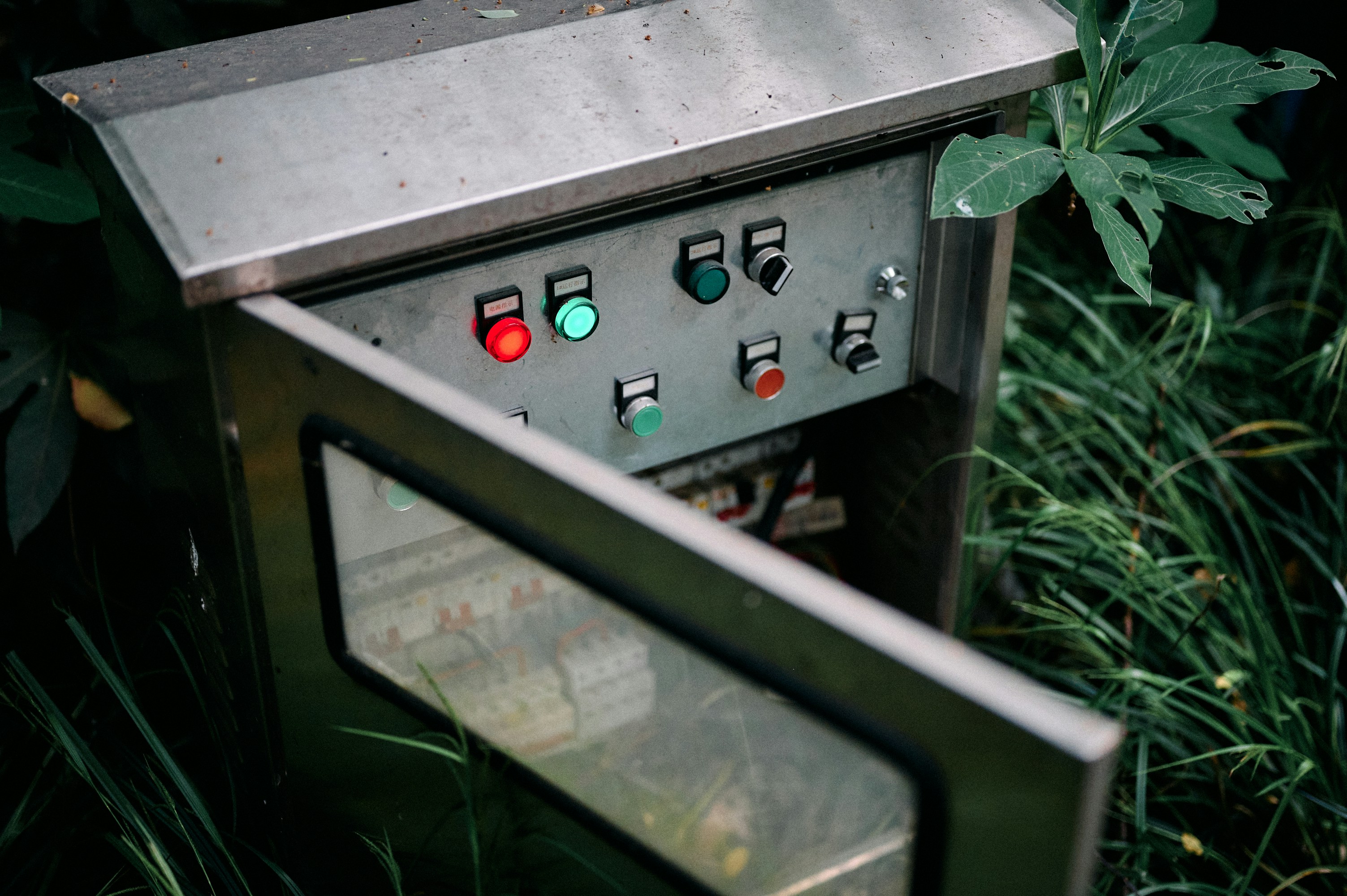
The effectiveness of an equipment enclosure is determined by how well it matches the specific environment where it will be installed. A cabinet that performs perfectly in a climate-controlled server room will likely fail within weeks if placed outdoors in a coastal area. A thorough environmental assessment is the critical first step in narrowing down your options and ensuring long-term protection.
Indoors or Out? Different Challenges for Your Equipment Enclosure
The most fundamental distinction in enclosure selection is between indoor and outdoor applications. Each poses a unique set of challenges that dictate the required level of protection.
Indoor Environments: While seemingly benign, indoor locations have their own threats. These can include:
- Dust, Dirt, and Debris: Manufacturing facilities, warehouses, and workshops generate airborne particles that can settle on and inside electrical components, causing overheating and short circuits.
- Moisture and Condensation: Areas with high humidity, such as laundry rooms or food processing plants, can lead to condensation inside an enclosure if not properly managed, causing corrosion and electrical faults.
- Accidental Splashing or Dripping: In some industrial settings, incidental contact with non-corrosive liquids is a risk.
- Physical Impact: In high-traffic areas, enclosures need to be robust enough to withstand accidental bumps from personnel or equipment.
Outdoor Environments: Outdoor installations face a much broader and more aggressive range of threats:
- Direct Rain, Sleet, and Snow: Enclosures must be completely sealed to prevent water ingress from precipitation.
- UV Radiation: Constant exposure to sunlight can degrade plastic and painted surfaces over time, causing them to become brittle and crack.
- Extreme Temperatures: The equipment must be protected from both freezing temperatures and intense solar heat gain, which can cause internal components to overheat.
- Windblown Dust and Sand: In arid or coastal regions, fine particles can easily penetrate improperly sealed enclosures.
- Corrosion: Salt spray in coastal areas and chemical pollutants in industrial zones can rapidly corrode metal enclosures.
Understanding whether your enclosure will be indoors or outdoors is the first filter in the selection process, immediately defining the baseline level of protection needed.
Weather Worries: Protecting an Outdoor Equipment Enclosure from Rain, Snow, and Sun
For any outdoor application, weather is the primary adversary. A "weatherproof" enclosure must be specifically engineered to handle a variety of atmospheric conditions. Look for enclosures with a NEMA 3R rating or higher, which are designed for outdoor use and provide protection against rain, sleet, snow, and ice formation.
- Protection from Water Ingress: The design of an outdoor enclosure is crucial for shedding water. Features like sloped roofs, drip shields over door openings, and watertight gasket seals are essential. Enclosures rated NEMA 4 or 4X are designed to be hosed down and offer excellent protection against wind-driven rain. Cable entries should use sealed glands to maintain a waterproof barrier.
- Durability Under UV Exposure: Not all materials hold up well under the sun. If you are choosing a plastic enclosure, ensure it is made from UV-stabilized polycarbonate or fiberglass to prevent it from becoming brittle or discolored. Metal enclosures with a high-quality powder coat finish also provide excellent UV resistance.
- Corrosion Resistance: In environments with salt spray or chemical exposure, corrosion is a major concern. Stainless steel (specifically types 304 or 316) and fiberglass are highly resistant to corrosion and are excellent choices for these harsh conditions. Aluminum also offers good corrosion resistance.
Special Threats: When Your Equipment Enclosure Needs to Fight Dust, Chemicals, or Vandalism
Beyond general weather protection, some locations present specialized threats that require an even higher level of defense.
- Dust and Particulates: In environments like grain mills, sawmills, or desert locations, fine dust is a constant threat. For these applications, a "dust-tight" enclosure is necessary. An IP rating with a first digit of '6' (e.g., IP66) indicates that the enclosure is completely sealed against any dust ingress. NEMA 4 enclosures also provide robust protection against windblown dust.
- Chemical Exposure: In chemical processing plants, wastewater treatment facilities, or agricultural settings, enclosures may be exposed to corrosive chemicals. Material selection is critical here. Stainless steel (particularly 316) and fiberglass are superior choices for their chemical resistance. You must verify that the chosen material and gasket are compatible with the specific chemicals present in the environment.
- Vandalism and Tampering: For equipment located in public areas like parks, transit stations, or on city streets, protection from vandalism is a primary concern. Vandal-resistant enclosures are built to withstand intentional damage. Key features include:
- Heavy-Duty Construction: Often made from heavy-gauge stainless steel or reinforced polycarbonate to resist impacts.
- Secure Locking: Tamper-proof locks, latches that require special tools, and internal or hidden hinges to prevent prying.
- Seamless Design: Minimal gaps and smooth surfaces that offer no leverage points for tools.
By carefully analyzing your specific location—indoors or out, exposed to weather, dust, chemicals, or the public—you can identify the exact threats your equipment will face and choose an enclosure built to defeat them.
 ## Decoding Protection Standards: IP and NEMA for Your Equipment Enclosure
When you start browsing for equipment enclosures, you'll immediately encounter a series of acronyms and numbers: IP67, NEMA 4X, UL 508A. These aren't just arbitrary codes; they are standardized, verifiable ratings that tell you exactly what level of protection an enclosure offers. Understanding these standards is essential for making an informed choice and ensuring your equipment is truly safe. The two most common rating systems are IP and NEMA.
Making Sense of IP Ratings for Every Equipment Enclosure
The IP (Ingress Protection) rating system is an international standard (IEC 60529) used globally to classify the degree of protection an enclosure provides against the intrusion of solid objects and liquids. The rating consists of "IP" followed by two digits.
- First Digit (Solids Protection): This number, from 0 to 6, indicates the level of protection against solid foreign objects, from large body parts down to microscopic dust.
- Second Digit (Liquids Protection): This number, from 0 to 9, indicates the level of protection against moisture, from simple drips to high-pressure jets and full submersion.
A simple rule is: the higher the number, the better the protection.
Here is a quick reference chart for common IP ratings:
| IP Rating | Solids Protection (First Digit) | Liquids Protection (Second Digit) | Typical Application |
|---|---|---|---|
| IP54 | 5: Dust Protected (limited ingress, no harmful deposit) | 4: Splashing of water from any direction | General-purpose indoor use with some dust and splash risk. |
| IP65 | 6: Dust Tight (no ingress of dust) | 5: Water jets projected from a nozzle from any direction | Indoor washdown areas; outdoor use with protection from heavy rain. |
| IP66 | 6: Dust Tight | 6: Powerful water jets from any direction | Outdoor environments with exposure to heavy seas or strong jets of water. |
| IP67 | 6: Dust Tight | 7: Temporary immersion in water (up to 1 meter for 30 minutes) | Equipment that may be accidentally or temporarily submerged. |
| IP68 | 6: Dust Tight | 8: Continuous immersion in water (depth and duration specified by manufacturer) | Equipment intended for long-term underwater use. |
For most outdoor applications, an enclosure with a rating of IP65 or higher is recommended to ensure it is dust-tight and can withstand rain and water spray.
Navigating NEMA Ratings for Industrial Equipment Enclosure Applications
The NEMA (National Electrical Manufacturers Association) rating system is the standard used predominantly in North America. While it also defines protection levels against solids and liquids, its "Types" are more descriptive of specific applications and environmental conditions, including factors like corrosion resistance and use in hazardous locations.
Unlike IP ratings, NEMA ratings are not always hierarchical (e.g., a NEMA 12 is for indoor use, while a NEMA 4 is for outdoor).
Here’s a look at some of the most common NEMA enclosure types:
| NEMA Rating | Protection Against | Typical Environment / Application |
|---|---|---|
| NEMA 1 | Falling dirt, accidental contact. | Indoor: General-purpose protection for controls in normal office or light manufacturing settings. |
| NEMA 3R | Rain, sleet, snow, and external ice formation. | Outdoor: Basic weather protection for wiring and junction boxes in areas not subject to heavy dust or hose-downs. |
| NEMA 4 | Windblown dust, rain, splashing water, and hose-directed water. | Indoor/Outdoor: Washdown areas, industrial settings, and general outdoor use where equipment may be sprayed. |
| NEMA 4X | Same as NEMA 4, plus corrosion resistance. | Indoor/Outdoor: Coastal areas, marine environments, food processing, and chemical plants where corrosive agents are present. |
| NEMA 12 | Falling dirt, circulating dust, lint, fibers, dripping and light splashing liquids. | Indoor: Industrial settings to protect automation controls and electronics from factory-floor contaminants. |
NEMA 3R vs. NEMA 4X: A common point of confusion is between NEMA 3R and 4X. A NEMA 3R enclosure is great for basic outdoor weather protection, but it is not dust-tight or corrosion-resistant. A NEMA 4X enclosure provides a much higher level of protection, sealing out windblown dust and water from high-pressure hoses, all while resisting corrosion, making it ideal for harsh and washdown environments.
Beyond IP and NEMA: Other Key Certifications for Your Equipment Enclosure
In addition to IP and NEMA, certain applications require enclosures that meet even more specific safety standards.
- UL (Underwriters Laboratories): The UL mark, especially UL 508A, is a critical safety certification for industrial control panels in the United States. A UL 508A listing indicates that the entire panel assembly—including the enclosure, components, and wiring—has been built and inspected to meet rigorous safety standards designed to prevent fire and electrical hazards. Many jurisdictions and customers require this certification for acceptance.
- CSA (Canadian Standards Association): The CSA mark is the Canadian equivalent of the UL mark. It signifies that a product has been independently tested and meets the safety and performance standards recognized in Canada. For equipment installed in Canada, CSA certification is often a legal requirement.
- ATEX and IECEx: For environments with a risk of explosion, such as oil and gas facilities, chemical plants, or grain mills, enclosures must have an ATEX (for the EU) or IECEx (international) rating. These certifications ensure the enclosure is designed to either contain an internal explosion (flameproof) or operate at such low energy levels that it cannot ignite flammable gases or dust (intrinsically safe).
Choosing an enclosure with the right certification is not just about protecting your equipment—it's about ensuring safety, meeting regulatory requirements, and avoiding project delays or rejections by inspectors.
 ## Choosing Materials and Managing Climate for Your Equipment Enclosure
Beyond the immediate environment and protection ratings, the physical construction of an enclosure—its material and thermal design—plays a pivotal role in its long-term performance. The right materials ensure durability and resistance to specific threats, while proper climate management keeps the internal electronics operating within their safe temperature range. This section explores the critical decisions around wall construction, material selection, and internal climate control.
Single-Wall vs. Double-Wall: Insulating Your Equipment Enclosure
One of the first structural decisions for an outdoor enclosure is whether to opt for a single-wall or a double-wall design. This choice is fundamentally about thermal management.
Single-Wall Enclosures: These are the simplest form of construction, consisting of a single layer of metal or plastic. They are lightweight and more cost-effective upfront. However, they offer no thermal insulation. Heat from the sun (solar load) transfers directly to the interior, and internal heat dissipates just as easily. Single-wall designs are suitable for mild climates, passive equipment that generates little heat, or indoor applications where ambient temperature is already controlled.
Double-Wall Enclosures: Often called "sandwich" construction, these enclosures feature an inner and an outer wall separated by a layer of insulating material, such as polyurethane foam. This design creates a significant thermal barrier. It drastically reduces solar heat gain, protecting internal components from overheating in hot, sunny climates. It also helps retain heat in cold environments, which can be crucial for battery performance. While they have a higher initial cost, double-wall enclosures can reduce the size and energy consumption of the required air conditioning system and significantly extend the life of sensitive electronics, offering a better total cost of ownership in extreme environments.
Verdict: Choose a single-wall enclosure for passive systems or in mild, controlled climates. Opt for a double-wall enclosure if your equipment is heat-sensitive, will be placed in a high-solar region, or requires active cooling like an air conditioner.
The Best Materials for a Long-Lasting Equipment Enclosure
The material of an enclosure dictates its weight, durability, corrosion resistance, and cost. Each has distinct advantages and is suited for different applications.
| Material | Pros | Cons | Best For |
|---|---|---|---|
| Painted Carbon Steel | Most cost-effective metallic option; strong and durable. | Prone to rusting if the paint is scratched; heavy. | Indoor industrial environments (e.g., NEMA 12) where cost is a primary driver and corrosion is not a major concern. |
| Aluminum | Lightweight; excellent corrosion resistance; good thermal conductivity. | Softer and more prone to denting than steel; higher cost than steel. | Outdoor applications where weight is a factor (e.g., pole-mounted units) and in moderately corrosive environments. |
| Stainless Steel (304 & 316) | Superior strength and durability; excellent corrosion and chemical resistance; hygienic. | Heavy; significantly higher cost than other materials. 316 offers enhanced resistance to chlorides (salt). | NEMA 4X applications: food/beverage processing, marine/coastal areas, chemical plants, wastewater treatment, and any high-corrosion or washdown environment. |
| Polycarbonate (Plastic) | High impact resistance; lightweight; non-conductive; rust-proof; transparent to RF signals. | Can degrade under prolonged UV exposure unless stabilized; less resistant to high heat than metal. | Outdoor/corrosive environments, telecommunications (allows signal passthrough), and applications where weight is a critical factor. |
| Fiberglass (FRP) | Excellent chemical and corrosion resistance; lightweight; non-conductive. | Can experience UV degradation (fading/fiber bloom) over time; can be brittle and prone to cracking on impact. | Harsh chemical environments and locations where a lightweight, highly corrosion-resistant material is needed. |
Keeping Things Cool (or Warm): Climate Control Inside Your Equipment Enclosure
All electronic components generate heat, and their lifespan is significantly reduced by high operating temperatures. For every 10°C (18°F) rise in temperature, the life of electronic components can be cut by half. Effective thermal management is therefore not a luxury, but a necessity.
Calculating Your Cooling Needs: To select the right climate control system, you must first calculate the total heat load. This involves:
- Internal Heat Load: Sum the heat output (in watts) of all components inside the enclosure. This information is usually available from the component manufacturers.
- External Heat Load: Calculate the heat transferred into the enclosure from the outside environment, considering the enclosure's surface area, material, and the temperature difference between the ambient air and your desired internal temperature.
- Total Heat Load: Add the internal and external heat loads to determine the total amount of heat (in watts or BTUs) your climate system needs to remove. It is wise to add a safety margin of 10-20%.
Common Climate Control Solutions:
- Vents and Fans: This is the most basic solution. Filtered fans create airflow, pushing hot air out and pulling cooler ambient air in. This only works if the outside air temperature is lower than your desired internal temperature.
- Air-to-Air Heat Exchangers: These devices use a closed-loop system to transfer heat from the inside air to the outside air without mixing the two air sources. This keeps internal air clean from outside dust and moisture but is still limited by the ambient temperature.
- Air Conditioners: For high heat loads or when the ambient temperature is higher than the desired internal temperature, an air conditioner is required. It actively cools the internal air, providing reliable temperature control regardless of outside conditions.
- Heaters: In cold environments, heaters are used to prevent the internal temperature from dropping too low and to combat condensation. An anti-condensation heater maintains the enclosure's temperature just above the dew point, preventing a major cause of corrosion and short circuits.
Pairing a heater with a thermostat and a cooling unit with a hygrostat can create a fully automated climate control system that protects your equipment from both temperature extremes and humidity.
 ## Practical Decisions: Sizing, Access, and Mounting Your Equipment Enclosure
Once you've determined the environmental requirements, protection standards, and material for your enclosure, the final step involves practical considerations that affect installation, usability, and long-term maintenance. Getting these details right—sizing, access, and mounting—is crucial for a successful and frustration-free deployment.
Right-Sizing Your Equipment Enclosure for Today and Tomorrow
Selecting the correct enclosure size is a balancing act. It must be large enough to house all current components with adequate clearance, yet not so large that it wastes space and money.
A Step-by-Step Sizing Process:
- Layout Your Components: Start by creating a to-scale layout of everything that will go inside the enclosure. This includes not just the main equipment (PLCs, power supplies, drives) but also DIN rails, wire ducts, terminal blocks, and door-mounted devices like HMIs. Use CAD software or a physical layout to be precise.
- Account for Clearances: Components need space around them. Check manufacturer specifications for required clearances for ventilation, wiring, and safe operation. Overheating is a common result of packing components too tightly.
- Consider Depth: Don't forget the third dimension. The total depth must accommodate the deepest component on the back panel plus any devices mounted on the inside of the door (like switches or displays), ensuring they don't collide when the door closes.
- Plan for Wiring and Bend Radius: Leave adequate room for wire ducts and ensure cables can be routed without violating their minimum bend radius, which can damage the cable and impair performance.
- Leave Room for the Future: This is one of the most important yet often-overlooked steps. A good rule of thumb is to allocate 20-30% of extra space for future expansion. This forethought can save you from having to replace the entire enclosure if you need to add just one more component down the line. It's far more cost-effective to buy a slightly larger enclosure now than to perform a complete system transfer later.
Ensuring Easy and Secure Access to Your Equipment Enclosure
How you get into the enclosure is just as important as what it protects. The choice of door, hinge, and lock depends on balancing ease of access for maintenance with the need for security.
Cover Types:
- Screw Cover: The cover is secured with multiple screws. This design provides excellent sealing and high security, as it requires tools to open. It's ideal for applications with a low need for access and a high need for tamper resistance.
- Hinged Cover: The cover is attached with hinges and secured with latches. This provides much faster access for frequent maintenance and prevents the cover from being dropped or misplaced. The trade-off can be a slightly higher cost and potentially more wear on moving parts over time.
Lock and Latch Options: The level of security needed dictates the type of lock.
- Quarter-Turn Latches: Common and easy to operate, often with a simple tool or slotted driver. They provide a good seal but minimal security.
- Keyed Cam Locks: A step up in security, these require a specific key to open, limiting access to authorized personnel.
- Padlockable Handles and Latches: These allow you to add a heavy-duty padlock for a higher level of security against tampering and theft.
- Multi-Point Latching Systems: Typically found on larger, free-standing cabinets, these systems secure the door at several points along its edge, providing a very tight seal and excellent security.
In high-risk areas, look for enclosures with features like hidden or internal hinges to prevent them from being tampered with.
Where to Place It: Mounting Options for Your Equipment Enclosure
The final decision is how to physically install the enclosure. The primary options are determined by the location, available surfaces, and the weight of the enclosure.
- Wall-Mounting: This is a very common method for small to medium-sized enclosures. It saves valuable floor space and allows equipment to be placed at an accessible, eye-level height. Ensure the wall structure is strong enough to support the full weight of the enclosure and its contents. Use heavy-duty mounting brackets, often sold as accessories, to securely attach the enclosure.
- Pole-Mounting: Ideal for outdoor applications like traffic control, security cameras, or telecommunications where no wall is available. Pole mounting kits typically use rugged straps or U-bolts to securely fasten the enclosure to a round or square pole. The pole itself must be rigid and securely installed to handle the weight and wind load.
- -Free-Standing/Floor-Mounting: Large, heavy enclosures containing extensive control systems are typically designed to be free-standing. They are placed directly on a concrete pad or floor. This method is best for central control rooms and large industrial applications where there is ample space and a need to house a large amount of heavy equipment.
Always choose mounting hardware that is materially compatible with your enclosure (e.g., stainless steel brackets for a stainless steel enclosure) to prevent galvanic corrosion and ensure long-term structural integrity.
Key Takeaways
Choosing the right equipment enclosure is a critical investment that protects your valuable systems from environmental hazards, physical damage, and unauthorized access. By making a thoughtful and informed decision, you ensure the reliability, safety, and longevity of your operations. Here is a detailed summary of the most crucial points to consider:
Define the Core Purpose and Acknowledge the Risks.
- Primary Functions: An enclosure's fundamental roles are to shield against environmental factors (dust, water, corrosives), prevent physical impact and vandalism, enhance electrical safety by preventing accidental contact, and provide security against tampering.
- The Cost of Neglect: Failing to use a proper enclosure can lead to catastrophic equipment failure, costly operational downtime (which can cost hundreds of thousands of dollars per hour for manufacturers), serious safety incidents leading to fines and liability, and a drastically shortened equipment lifespan. The upfront cost of a quality enclosure is minimal compared to these potential losses.
Meticulously Evaluate the Installation Environment.
- Indoor vs. Outdoor: This is the first and most important distinction. Indoor challenges include dust and incidental moisture, while outdoor installations face a barrage of threats including rain, snow, direct sunlight (UV degradation), extreme temperatures, and corrosion from salt or chemicals.
- Specific Threats: Go beyond the basics. Is your site unusually dusty (requiring an IP6X rating)? Is it a coastal or chemical plant (requiring NEMA 4X corrosion resistance)? Is it in a public, unsecured area (requiring vandal-resistant features like heavy-gauge steel and tamper-proof locks)? Your environment dictates the necessary features.
Decode and Apply the Correct Protection Standards.
- IP Ratings (International): Use the two-digit IP code to determine protection against solids (first digit) and liquids (second digit). For outdoor use, IP65 is a good starting point, while IP67/IP68 is necessary for submersion risks.
- NEMA Ratings (North America): NEMA types are application-driven. NEMA 3R is for basic outdoor weather-resistance (rain/sleet) but is not dust-tight. NEMA 4/4X provides superior protection against hose-directed water and windblown dust, with 4X adding crucial corrosion resistance. NEMA 12 is a common choice for indoor industrial use.
- Specialized Certifications: For industrial control panels in the U.S., UL 508A certification is often required for safety and compliance. CSA is its Canadian counterpart. For explosive atmospheres, ATEX or IECEx ratings are mandatory.
Select Materials and Manage the Internal Climate.
- Material Choice is Key: The material affects durability, corrosion resistance, weight, and cost. Painted steel is economical for indoor use. Stainless steel (especially Type 316) is the premium choice for corrosive and washdown environments. Polycarbonate and fiberglass offer excellent corrosion resistance and are lightweight but have limitations with UV and impact.
- Thermal Management is Non-Negotiable: Electronics hate heat. A single-wall enclosure is for mild climates, while a double-wall (insulated) design is essential for reducing solar heat gain in sunny locations or retaining heat in cold ones.
- Active vs. Passive Cooling: Calculate your total heat load (internal + external). If ambient air is cool enough, fans and filters may suffice. If not, an air conditioner is required. Don't forget anti-condensation heaters for cold or high-humidity environments to prevent moisture-related failures.
Finalize with Practical Sizing, Access, and Mounting.
- Size for Today and Tomorrow: Don't just fit your current components. Plan for clearances, wiring bend radius, and device depth.Crucially, leave at least 20-30% extra space for future expansion to avoid costly replacements later.
- Balance Access and Security: Hinged covers are convenient for frequent maintenance, while screw covers offer higher security and better sealing for less-accessed equipment. Choose locks based on your security needs, from simple latches to keyed locks or padlockable handles.
- Mount It Right: Select the mounting method based on your location. Wall-mounting saves floor space, pole-mounting is for open areas, and free-standing is for large, heavy systems. Always use compatible mounting hardware to prevent corrosion.
By systematically working through these five key areas, you move from a generic "box" to a highly-engineered protective system tailored specifically to your application's needs. This diligence pays dividends in reliability, safety, and peace of mind.
Frequently Asked Questions (FAQ)
1. What is the most significant difference between a NEMA 3R and a NEMA 4X enclosure?
The primary difference lies in the level of sealing and corrosion resistance.
A NEMA 3R enclosure is designed for basic outdoor protection. It shields against falling rain, sleet, snow, and prevents the formation of external ice. However, it is not designed to be dust-tight or protect against water from a hose. Its design often includes ventilation openings, which makes it unsuitable for environments with windblown dust or spray. It's a cost-effective choice for general outdoor applications like housing electrical switchgear where a high degree of sealing isn't necessary.
A NEMA 4X enclosure offers a significantly higher level of protection. The "4" indicates it is watertight, capable of protecting against windblown dust, rain, splashing water, and even hose-directed water. This makes it suitable for washdown environments. The "X" signifies corrosion resistance. This means the enclosure is typically made from materials like stainless steel, aluminum, or fiberglass, making it ideal for harsh environments such as coastal areas with salt spray, chemical plants, wastewater treatment facilities, and food processing plants.
In short: Choose NEMA 3R for simple weather protection. Choose NEMA 4X when you need protection from high-pressure water, dust, and corrosion.
2. How can I prevent condensation from forming inside my equipment enclosure?
Condensation occurs when the temperature of a surface inside the enclosure drops below the dew point of the surrounding air, causing moisture to form. This is a common and destructive problem, leading to corrosion and electrical failures. There are several effective strategies to prevent it:
- Install an Anti-Condensation Heater: This is the most direct and reliable solution. A small, low-wattage heater, controlled by a thermostat or hygrostat, raises the internal air temperature just enough to stay above the dew point. This prevents moisture from condensing without significantly heating the electronic components.
- Ensure Proper Sealing: Make sure your enclosure is sealed to the appropriate NEMA or IP rating. This prevents humid ambient air from entering the enclosure in the first place. Check that all gaskets are in good condition and that any cable entries are properly sealed with glands.
- Use a Double-Wall (Insulated) Enclosure: In locations with significant day-night temperature swings, an insulated enclosure slows down the rate of temperature change of the interior surfaces. This helps prevent them from rapidly cooling and reaching the dew point.
- Install a Dehumidifier or Vortex Cooler: For applications with very high humidity or where introducing heat is not an option, a specialized enclosure dehumidifier or a vortex cooler (which uses compressed air to create cool, dry air) can actively remove moisture from the internal environment.
- Utilize Breather Drains: In some cases, a special breather drain can be installed at the bottom of the enclosure. It allows any condensed water to drip out while using a membrane to prevent dust and splashing water from getting in. This is more of a mitigation strategy than a prevention one.
For most applications, a combination of a well-sealed enclosure and a properly sized anti-condensation heater is the most effective approach.
3. Can I modify an existing certified enclosure, like drilling new holes, without voiding its NEMA or UL rating?
Modifying a certified enclosure in the field can absolutely affect or void its rating if not done correctly. The certification (like NEMA or UL) applies to the enclosure as it was manufactured and tested.
- Drilling Holes: When you drill a hole for a conduit, button, or window, you are creating a potential point of ingress for dust and water. To maintain the rating, you must use a component that has an equivalent or greater environmental rating. For example, if you drill a hole in a NEMA 4X enclosure, you must use a NEMA 4X rated cable gland, plug, or window kit to seal that opening. Simply drilling an open hole or using a non-rated component will immediately void the NEMA 4X certification.
- UL 508A Certification: This is even stricter. The UL 508A listing applies to the entire control panel assembly. Any field modification, especially one that involves adding components or altering wiring, technically voids the listing. If modifications are required, they should ideally be done by a UL 508A certified panel shop. An inspector may require the modified panel to be re-evaluated and re-certified, which can be costly and time-consuming.
Best Practices for Modification:
- Plan Ahead: The best approach is to order the enclosure from the manufacturer with all necessary holes and cutouts factory-made. This ensures they are done correctly and the enclosure's rating is preserved.
- Use Rated Components: If you must modify in the field, always use a properly rated fitting for every penetration.
- Follow Manufacturer Guidelines: Adhere strictly to the guidelines provided by both the enclosure manufacturer and the component manufacturer for installation.
- Consult a Professional: When in doubt, especially regarding UL certification, consult with a certified panel shop or engineer to ensure you maintain compliance and safety.
Ultimately, selecting the perfect equipment enclosure means thinking through all these factors. It's an investment that pays off by protecting your valuable systems and ensuring their long life and reliable operation for years to come.
If you're ever unsure about the best equipment enclosure for a unique or tricky situation, I always recommend reaching out to an expert. They can help you navigate the complexities of ratings, materials, and thermal management to make the most informed decision, ensuring your critical equipment gets the robust protection it deserves.