How Operator Consoles Streamline Healthcare Operations and Enhance Clinical Efficiency
- Share
- Issue Time
- Aug 22,2026
Summary
Modern healthcare contact centers have dramatically evolved from simple switchboards into critical IT resources that profoundly impact patient experience and operational efficiency. Powered by advanced operator consoles, these centers function as multi-functional communication hubs, supporting patient access, enhancing care team collaboration, and elevating overall patient satisfaction. Strategic investment in the right technology is transforming these centers into vital clinical and operational
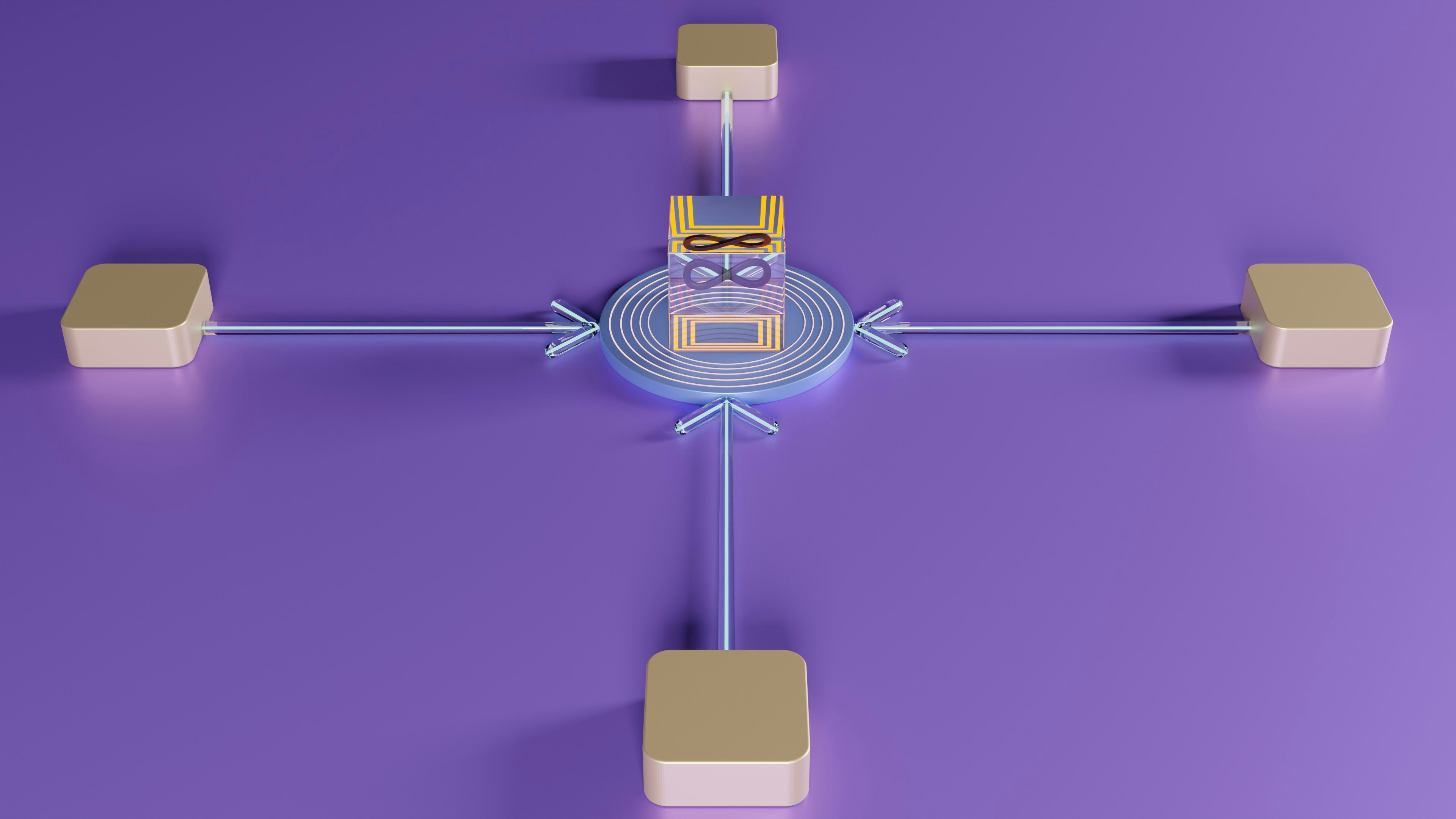
In the dynamic world of healthcare, the function of the contact center has evolved dramatically. Once viewed as a simple switchboard for routing calls, it is now recognized as a vital IT resource capable of profoundly impacting patient experience and operational efficiency. Today, a modern healthcare contact center, powered by an advanced operator console, is far more than a place to just answer calls. It stands as a multi-functional communication hub that supports patient access, strengthens care team collaboration, and elevates overall patient satisfaction. Strategic investment in the right technology is transforming these centers into true clinical and operational assets.
The future success of any hospital hinges on the critical technology and streamlined operations within its communication infrastructure. This article will delve into how a transformed and modernized operator console can not only meet but exceed the demands of today's complex healthcare landscape, ultimately leading to better outcomes for patients and staff alike.
Key Takeaways
- Centralized Communication: Modern operator consoles unify disparate communication systems (telephony, paging, directories, on-call schedules) onto a single screen, eliminating the need for operators to switch between multiple applications.
- Enhanced Patient Experience: By providing operators with instant access to patient data, provider schedules, and department information, consoles ensure callers are connected to the right person or service on the first attempt, reducing wait times and frustration.
- Improved Patient Safety: In emergencies, operator consoles streamline the activation of code teams and rapid response protocols, consolidating procedures and reducing the time to initiate critical care.
- Increased Operational Efficiency: Automating routine tasks, integrating with EHR and scheduling systems, and providing a single source of truth for contact information frees up operators to handle more complex inquiries and reduces the overall call volume.
- Flexibility and Scalability: Cloud-native operator consoles empower staff with the flexibility for remote work, ensure business continuity, and can easily scale to meet the evolving needs of a growing health system.
The Operator Console: Evolving Our Healthcare Communication Hub
The hospital's central communication point—once known simply as the switchboard—has undergone a profound transformation. What was historically a role focused on manually connecting one phone line to another is now the nerve center of the hospital's clinical and administrative operations. The operator console is the interface at the heart of this evolution, shifting from a basic call-handling tool to a sophisticated platform that orchestrates the flow of critical information across the entire healthcare enterprise. This change reflects a broader recognition that communication is not just an auxiliary service but a core component of modern care delivery.
From Basic Calls to Strategic IT Resources
The journey from a reactive call center to a proactive communication hub marks a strategic shift in healthcare management. Historically, the operator's job was measured by how quickly they could answer and transfer a call, often without full context of the caller's needs. Today, the focus has moved from simple activity metrics to workflow resolution. A modern contact center is now viewed as an indispensable IT asset, designed to resolve patient, member, and provider requests with accuracy, empathy, and efficiency from the very first interaction.
Understanding the Modern Contact Center's Role
A contemporary healthcare contact center is a centralized hub that manages a wide array of communications far beyond simple phone calls; it often includes email, SMS, and live chat. Its purpose is to serve as the primary point of contact for patients, families, and external providers seeking information or access to care. The operator console is the software that powers this hub, bringing together telephony controls, enterprise directories, on-call schedules, and emergency protocols into a single, unified interface. This integration allows operators to manage appointment scheduling, provide physician referrals, support billing inquiries, and even facilitate telehealth services. By adopting an omnichannel approach, these centers ensure a consistent and seamless experience, which is crucial for building patient trust and satisfaction. The goal is no longer just to answer calls, but to resolve the caller's need completely and accurately on the first try.
The Journey to a Multi-Functional Communication Hub
The transition to a multi-functional communication hub began with the recognition that fragmented systems were failing patients and providers. Historically, operators had to pivot between the phone system, a separate provider directory, a printed on-call schedule, and another system for patient lookups. Each pivot created delays and increased the risk of errors, contributing to what The Joint Commission has identified as a leading cause of serious medical errors: communication failures. The evolution has been driven by technology that integrates these disparate sources of information. Modern, cloud-native consoles now unify voice, messaging, scheduling, and alerts into one platform, often enhanced with AI to provide context-aware recommendations to operators. This journey from siloed tools to an integrated ecosystem marks the shift from a conventional switchboard to a true communication orchestration platform.
Our Operator Console as the Foundation of Patient Experience
Every interaction a patient has with a hospital shapes their perception of care, and for many, that journey begins with a call to the contact center. A modern operator console is engineered to ensure this first touchpoint is positive, efficient, and empathetic. By equipping operators with the right tools, healthcare organizations can transform the contact center from a potential point of friction into a cornerstone of a positive patient experience. This directly impacts patient satisfaction, as seamless communication fosters a sense of being heard and cared for.
Managing Essential Communications and Information Flow
The operator console acts as the "central nervous system" for hospital communications, managing the flow of information between the outside world and the complex web of internal departments and clinicians. An operator's day involves handling an immense variety of calls, from a family member seeking a patient's room number to a physician arranging a critical patient transfer. A modern console simplifies this by providing instant, one-screen access to all necessary data: patient location, provider contact details, and departmental information. This integration with systems like the EHR ensures the information is always current, preventing the "dead air" on the line that occurs when operators have to search through separate, often outdated, systems. When an operator can find and verify information in real-time without placing a caller on a lengthy hold, it translates into a smoother, more professional experience that enhances patient trust.
Orchestrating Critical Services, Like Doctor Answering
Beyond routing general calls, the operator console is vital for coordinating specialized services, such as a physician answering service. Many hospitals provide after-hours or overflow call coverage for affiliated physician practices, which not only generates revenue but also ensures continuity of care for patients. An advanced operator console integrates with on-call schedules to make this process seamless. When a patient calls their doctor's office after hours, the call is automatically routed to the hospital's contact center. The operator, using the console, can immediately see which physician is on call, access their preferred contact methods, and securely relay the message. This service relieves clinicians from the burden of handling routine inquiries, reduces the risk of burnout, and gives patients confidence that their needs will be addressed promptly, no matter the time of day.
| Service Type | Traditional Method | Modern Operator Console Method | Benefit |
|---|---|---|---|
| General Inquiries | Operator checks separate directories. | Single-screen lookup of patients, staff, and departments. | Faster resolution, fewer transfers. |
| On-Call Physician | Operator consults a printed or static schedule. | Live, integrated on-call schedule is displayed automatically. | Accurate routing, reduces clinician interruptions. |
| Appointment Info | Manual lookup in a separate scheduling system. | Direct integration with scheduling software. | Quick confirmations and scheduling. |
| Emergency Codes | Operator manually pages multiple team members. | One-click code activation that alerts the entire team. | Faster response, improved patient safety. |
Unifying Operations: The Power of an Enterprise Operator Console
For a modern healthcare system to function effectively, its communication must be unified, standardized, and reliable. An enterprise operator console serves as the technological backbone that makes this possible. By moving away from disparate, department-level solutions and embracing a single, system-wide platform, hospitals can eliminate information silos, enhance data integrity, and create a truly collaborative environment. This unified approach not only streamlines workflows for operators but also has a cascading positive effect on clinical teams and patient outcomes.
Equipping Our Center with a Seamless Technology Platform
To transform a contact center into a strategic asset, it must be built on a seamless technology platform. This means equipping operators with a single, intelligent, computer-based solution that integrates with the hospital's existing Private Branch Exchange (PBX) or UCaaS vendor. Instead of juggling traditional phones and multiple software applications, operators use one screen to manage every aspect of a call. This platform should be designed for enterprise-wide interoperability, capable of connecting with existing EHR, telephony, and scheduling systems to eliminate technological fragmentation and streamline coordination across all care teams.
Why an Enterprise-Wide Approach is Essential
In growing health systems, especially those with multiple facilities, a fragmented communication strategy creates significant risk and inefficiency. Different departments or locations may use different systems and processes, leading to inconsistent workflows, outdated contact information, and confusion during critical events. An enterprise-wide approach, facilitated by a modern operator console, solves this by centralizing and standardizing communications. This ensures that every operator, regardless of their physical location, is working from the same information and following the same protocols. Such a strategy simplifies IT infrastructure, lowers the total cost of ownership, and provides a scalable platform that can grow with the organization. This unification is crucial for delivering consistent, reliable care across the entire health system.
Standardizing Hospital Communications Through the Console
A key benefit of an enterprise console is its ability to standardize how communications are handled across the organization. The platform serves as a bridge to disparate data systems, presenting all directory listings to the operator in a unified view. This allows operators to quickly look up personnel, access on-call schedules, and transfer calls with accuracy. Furthermore, features like pre-recorded greetings and configurable displays ensure that every call is handled professionally and consistently, regardless of the time of day. By consolidating emergency response protocols into a single function, staff have just one number to call or one button to press to launch a code, streamlining a process where every second counts. This level of standardization elevates the quality of service and reinforces the contact center's role as a critical hub.
Ensuring Data Integrity with a Shared Operator Console Directory
The accuracy of information is paramount in healthcare. A wrong phone number, an outdated on-call schedule, or an incorrect patient location can lead to significant care delays and potential patient harm. A shared operator console directory addresses this challenge by establishing a single source of truth for contact and scheduling information, ensuring high data integrity across the health system.
A Single Source of Truth for Contacts and Preferences
A "single source of truth" (SSOT) is a data management concept that establishes one authoritative source for all critical data across an organization. In healthcare, this is essential for provider data. An operator console with an enterprise directory acts as this SSOT, centralizing contact data for all roles and eliminating the wasted time and errors associated with outdated, printed directories or siloed spreadsheets. When a provider's contact preference or on-call status is updated in one place, that change is immediately reflected across the entire system. This ensures that operators, clinicians, and administrative staff are always working from the same, up-to-date information, which significantly improves data accuracy and reduces the risk of miscommunication.
Fostering Collaboration Across Clinical Workflows
When communication is seamless and data is reliable, collaboration naturally improves. An enterprise operator console fosters this collaboration by connecting clinical teams with the people and information they need, when and where it matters most. For example, when a nurse needs to contact a specialist, they can rely on the operator to have the correct on-call schedule and preferred contact method, facilitating a quick connection. Optimized workflows are essential for reducing clinician stress and improving patient satisfaction. By integrating with clinical systems, the console ensures that workflows are streamlined, which in turn allows clinicians to offer treatment options more quickly and efficiently. This level of integration and reliability transforms the contact center from a simple answering service into an active partner in care coordination.
Rapid Response: How the Operator Console Enhances Patient Safety
In a hospital, the speed and accuracy of communication during an emergency can be the difference between life and death. The operator console is central to a hospital's emergency response system, serving as the critical link between the person identifying an emergency and the clinical team that needs to respond. A modern, integrated console moves beyond simple call routing to become an active tool in enhancing patient safety, accelerating response times, and ensuring care teams can focus entirely on the patient.
Improving Critical Code Response Times Through the Console
When a life-threatening event like a cardiac arrest occurs, every second is critical. Research shows that survival rates from in-hospital cardiac arrest decrease significantly with each minute that CPR or defibrillation is delayed. Many hospitals still rely on legacy methods for code activation, such as manual calls to a switchboard, which can introduce dangerous delays. A modern operator console directly addresses this challenge by streamlining and automating the entire process.
Consolidating Emergency Protocols in One Interface
An advanced operator console consolidates all emergency protocols into a single, easy-to-use interface. Instead of requiring operators to consult binders or multiple databases to determine the correct response team for a "Code Blue" or "Code Stroke," the console provides scripted, one-click activation workflows. When a code is called, the operator can instantly trigger an alert that simultaneously notifies the entire designated team—physicians, ICU nurses, respiratory therapists—via their preferred devices. This single-button activation removes the delays and potential for human error associated with manual phone trees and sequential paging.
Real-World Impact: Faster Initiation and Resolution
The implementation of modern code response systems has a proven, measurable impact on patient outcomes. Studies have shown that smartphone-based emergency notification systems, which can be triggered via an operator console, help response teams reach patients significantly faster than traditional operator-generated overhead pages. One study noted that a code team received smartphone notifications 78 seconds before the overhead page, a critical time savings in an emergency. Another study highlighted that hospitals can accelerate response times by up to 2.5 minutes, potentially increasing the likelihood of patient survival to discharge by up to 8%. For conditions like stroke and STEMI (a serious heart attack), where door-to-treatment time is a key metric, these improvements are vital. By reducing delays, hospitals see tangible benefits in mortality rates and patient recovery.
Freeing Care Teams with Efficient Operator Console Support
During a medical emergency, the cognitive load on clinicians is immense. Their focus must be entirely on the patient, not on the logistics of communication. A sophisticated operator console provides crucial background support, managing communication workflows so that doctors and nurses can dedicate their full attention to providing care.
Operators Managing Codes, Tracking, and Escalations
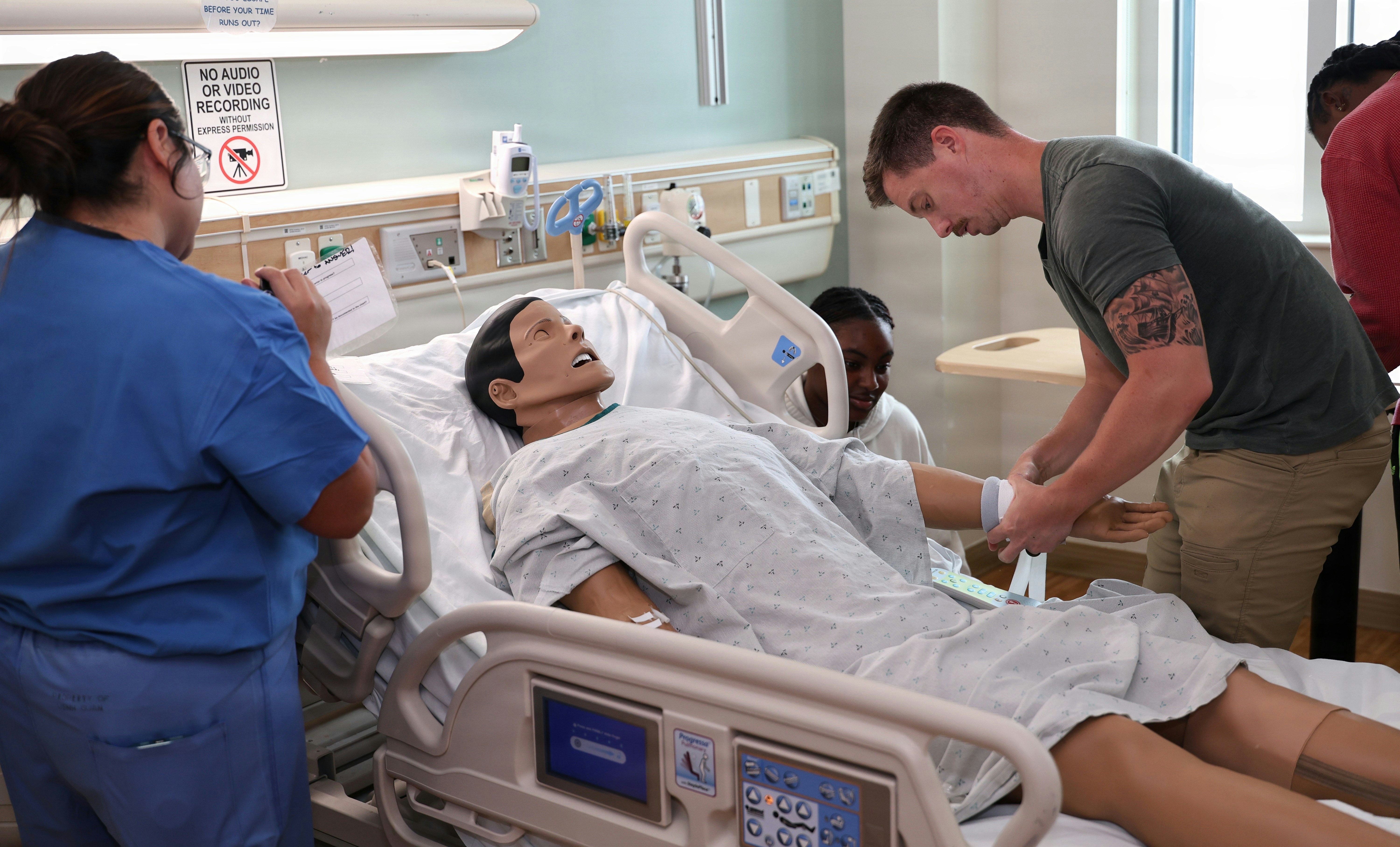
With a modern console, the operator's role evolves from a simple dispatcher to a communications coordinator for the event. After initiating the code, the operator can use the console to log the event, track the response, and handle necessary escalations. For example, if a team member doesn't acknowledge the alert, the system can automatically escalate to the next person on the list. The operator can also make overhead announcements or message additional support staff as needed, all from the same interface. This centralized management ensures that communication flows smoothly and frees the on-site clinical team from having to manage these logistical details themselves.
Allowing Clinicians to Focus on Direct Patient Care
Ultimately, the goal of a patient-centered approach is to ensure that medical care aligns with the patient's needs and values, which requires clinicians to be fully present and engaged. When a care team is confident that emergency alerts are sent and received instantly and reliably, they are relieved of the "scut work" of communication logistics. This allows physicians, nurses, and specialists to dedicate their complete focus to assessing the patient, performing procedures, and making critical decisions. By removing the burden of figuring out who to call or whether a page was received, the operator console enables a calmer, more controlled emergency response, which directly contributes to a safer environment and better patient outcomes.
Boosting Productivity and Flexibility with Our Operator Console
In today's fast-paced healthcare environment, the ability to adapt to changing circumstances while maintaining high levels of productivity is crucial. A modern operator console is a key enabler of both, offering tools that not only streamline daily tasks but also provide the workforce with unprecedented flexibility. By leveraging cloud-based technologies and intelligent automation, healthcare organizations can create a more resilient, efficient, and satisfying work environment for their contact center teams.
Empowering Staff to Work Anywhere, Anytime
The traditional model of a contact center, with operators tethered to physical desks and hardware, is becoming obsolete. The shift to cloud-based and web-based platforms has unlocked the potential for a distributed workforce, allowing operators to perform their critical functions securely from any location with an internet connection. This flexibility has proven to be an invaluable asset for ensuring business continuity and improving staff morale.
Remote Work Success Stories During Challenging Times
The COVID-19 pandemic highlighted the urgent need for remote work capabilities across all industries, and healthcare was no exception. Organizations with cloud-based operator consoles were able to transition their contact center staff to home-based work seamlessly, without disrupting communication flows. This not only protected employees but also ensured that patients, families, and providers could continue to reach the hospital without interruption. These success stories demonstrated that with the right technology, remote work is not just a contingency plan but a sustainable model that enhances operational resilience. The ability for operators to securely access their full suite of tools from a web browser is a powerful component of any modern disaster recovery strategy.
Maximizing Flexibility for Our Operator Console Team
Offering workforce flexibility is no longer just a perk; it's a strategic necessity for attracting and retaining talent. A modern operator console supports flexible staffing models, such as hybrid schedules or the ability to bring on additional staff quickly during peak times, without the need for extra physical infrastructure. This flexibility allows healthcare organizations to build more resilient and responsive teams. By giving employees greater control over their schedules and work environment, hospitals can reduce burnout, increase job satisfaction, and create a more sustainable workforce. Structured flexibility, governed by clear rules and supported by robust technology, is the future of effective healthcare staffing.
Automating Tasks and Expanding Service Offerings
One of the most significant benefits of a modern operator console is its ability to automate routine, repetitive tasks, thereby freeing up operators to focus on more complex and high-value interactions. This automation not only boosts efficiency but also allows the contact center to expand its services, transforming it from a cost center into a strategic asset that enhances patient care and generates revenue.
Leveraging Automation for Routine Information
Many inbound calls to a hospital contact center are for routine, predictable requests: checking on a patient's room number, asking for clinic hours, or confirming an appointment. AI-powered tools like Intelligent Virtual Agents (IVAs) and advanced Interactive Voice Response (IVR) systems can handle these high-volume, low-complexity inquiries automatically. These automated systems can integrate directly with the EHR and scheduling databases to provide callers with accurate information 24/7, without ever needing to speak to a live operator. This frees up human agents to dedicate their time and empathy to more sensitive or clinically complex calls.
Handling Diverse Requests and Reducing Call Volume
By automating common inquiries, a modern console can significantly reduce the overall call volume that reaches human operators. For instance, AI can manage appointment scheduling and rescheduling, handle prescription refill requests, and answer billing questions, often completing the entire task without agent intervention. Modern AI-powered systems can handle two-way conversations in multiple languages, ensuring that a diverse patient population is served effectively. When a call does need to be escalated, the AI can collect preliminary information and route the call to the appropriate agent with full context, ensuring a seamless handover and a higher rate of first-call resolution.
Strategic Gains: Cost Savings and Enhanced Satisfaction
The strategic impact of automation is twofold: significant cost savings and enhanced satisfaction for both patients and staff. By automating manual workflows, businesses can reduce operational costs by up to 30%. Fewer repetitive calls mean that hospitals may need fewer operators to process the same volume of interactions, or they can reallocate staff to higher-value roles that directly support patient care. Patients benefit from shorter or non-existent wait times and 24/7 access to information. This leads to a better overall patient experience and higher satisfaction scores. Meanwhile, operators experience less stress and burnout from handling a high volume of monotonous calls, leading to improved morale and retention.
Frequently Asked Questions (FAQ)
1. What is the main difference between a traditional hospital switchboard and a modern operator console?
A traditional switchboard was primarily a tool for manually connecting phone calls. A modern operator console is a sophisticated, computer-based software platform that integrates telephony with other critical hospital systems, such as the EHR, on-call schedules, and emergency alert systems. It acts as a unified communication hub, empowering operators to not only route calls but also manage information, activate emergency responses, and support clinical workflows from a single screen.
2. How does an operator console improve patient safety?
It improves patient safety primarily by accelerating emergency response. With integrated and automated code activation protocols, operators can launch a "Code Blue" or other emergency alerts to the entire response team with a single click, significantly reducing delays compared to manual phone trees. Furthermore, by providing a single source of truth for provider directories and on-call schedules, it ensures that clinicians, patients, and families are connected to the correct person quickly and accurately, minimizing the risk of communication errors.
3. Can operator consoles really reduce operational costs?
Yes. By automating routine, high-volume tasks like providing directions, clinic hours, or handling simple appointment confirmations, operator consoles can reduce the number of calls that require a live agent. This boosts efficiency, allowing contact centers to handle more interactions without increasing staff. Cloud-native consoles also lower costs by eliminating the need for on-premise hardware and maintenance, and by enabling flexible, remote staffing models.
4. How does this technology support remote work for contact center staff?
Modern operator consoles are often cloud-based, allowing secure access from any location with an internet connection via a web browser. This enables hospitals to implement flexible work-from-home or hybrid schedules for their operator teams. This capability not only improves staff satisfaction and retention but also provides critical business continuity during emergencies or public health crises that might prevent staff from physically coming to the hospital.
5. What does it mean for an operator console to be a "single source of truth"?
A "single source of truth" means the console’s directory serves as the one central, authoritative hub for all contact and scheduling information across the health system. Instead of data living in separate, disconnected spreadsheets or databases that can quickly become outdated, any update made to the central directory—like a change in a doctor's on-call status or contact preference—is instantly reflected for all users. This ensures data integrity and consistency, which is vital for efficient and safe communication.
Conclusion
Ultimately, investing in a robust, enterprise-level operator console is not merely an IT upgrade; it is a strategic imperative to optimize the entire healthcare enterprise. By centralizing, standardizing, and automating communication, we directly enhance patient safety through faster emergency response, improve clinical efficiency by freeing care teams to focus on patients, and elevate the experience for everyone who interacts with our health system. These platforms reduce the administrative burden on staff, mitigate the risk of costly communication errors, and create a more resilient and flexible operational infrastructure.
A transformed healthcare contact center, powered by a sophisticated operator console, propels us toward a future where all roles, systems, and workflows within our hospital can collaborate seamlessly. It breaks down the information silos that have long hindered efficient care coordination and replaces them with a connected, intelligent ecosystem.
We are committed to a path of continuous improvement, and we firmly believe that the evolution of our operator console is a cornerstone of that commitment. In navigating the complexities of modern healthcare, this technology is key to ensuring we deliver the safest, most efficient, and most compassionate care possible, securing better outcomes for our patients, our staff, and our community.