Metal Cabinet Fabrication Explained: From Precision Cuts to Thousands of Units
- Share
- Issue Time
- Jul 27,2026
Summary
The fabrication of metal cabinets is a crucial process for safeguarding sensitive electronic systems across various industries, from communication to critical infrastructure. The journey from raw metal sheet to a robust protective housing involves meticulous steps, starting with the foundational principle of robust protection against environmental hazards like dust, moisture, and extreme temperatures, as well as physical threats and electromagnetic interference (EMI).
Material selection is para
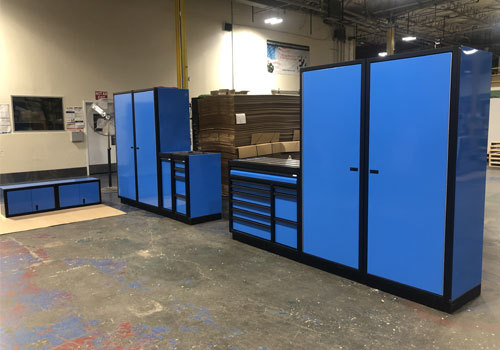
In our modern world, the reliable operation of electronic systems is paramount. We depend on them for communication, manufacturing, entertainment, and critical infrastructure. Protecting these sensitive electronics and equipment with robust enclosures is, therefore, more important than ever. The journey from a simple sheet of metal to a highly engineered protective housing is a complex one. From intricate precision cuts to the mass production of thousands of units, metal cabinet fabrication is a sophisticated process that underpins countless industries.
This process is the first line of defense for a device, safeguarding it from a multitude of environmental and physical threats that could otherwise lead to premature failure. Join us as we explore the complete journey of metal cabinet fabrication, uncovering the key materials, design principles, manufacturing techniques, and essential partnerships that transform concepts into these critical, protective components.
Key Takeaways
- Protection is Paramount: Metal cabinets are not just boxes; they are engineered systems designed to protect sensitive electronics from environmental hazards like moisture, dust, and temperature extremes, as well as physical threats like impact and vibration. Failure to provide adequate protection can lead to equipment failure, costly downtime, and significant safety risks.
- Material Choice is Critical: The material used—be it aluminum, steel, copper, or specialized alloys—directly impacts the cabinet's weight, strength, cost, thermal performance, and resistance to corrosion and electromagnetic interference (EMI). Each material offers a unique set of properties suited for different applications.
- Design Dictates Performance: Precision in design, including details like internal bend radii, wall thickness, and sealing mechanisms, is crucial for the structural integrity and long-term durability of the enclosure. These elements are not merely aesthetic; they are fundamental to the cabinet’s ability to perform its protective function.
- Manufacturing Method Matters: The choice between CNC machining, die casting, and sheet metal fabrication depends on factors like production volume, design complexity, cost constraints, and desired lead times. Each method offers distinct advantages, from the high precision of CNC for prototypes to the scalability of die casting for mass production.
- Verification Through Testing: Rigorous testing is non-negotiable. Performance validation, including EMI/EMC shielding effectiveness, environmental durability, and adherence to industry standards like IP and NEMA ratings, ensures that the final product meets the required specifications and will perform reliably in its intended environment.
Understanding the Foundation of Quality Metal Cabinet Fabrication
The fabrication of a high-quality metal cabinet begins long before the first piece of metal is cut. It starts with a fundamental understanding of its primary purpose: to protect what’s inside. This foundational principle influences every subsequent decision, from material selection to the final coat of paint. A cabinet is an engineered safeguard, and its quality is a direct reflection of how well it mitigates risk and ensures the longevity of the equipment it houses.
Why Robust Protection is Crucial for Sensitive Systems
In today's technology-driven landscape, electronic systems are deployed everywhere, from climate-controlled data centers to harsh, unpredictable outdoor environments. These "sensitive systems" are not just delicate; they are often the brains of critical operations in industries like telecommunications, military, medical, and industrial automation. The primary function of a metal enclosure is to serve as the first line of defense, shielding these vital components from a barrage of potential threats.
Environmental hazards are a major concern. Unprotected electrical systems are vulnerable to dust, moisture, chemicals, and extreme temperatures, all of which can lead to malfunctions, corrosion, and catastrophic failures. For example, moisture and contaminants can become trapped in small crevices, leading to localized corrosion that degrades the material over time. Furthermore, physical threats such as accidental impacts, shocks, and vibrations can easily damage delicate electronic components if the enclosure isn't built to absorb and dissipate these forces.
Beyond physical and environmental damage, there is the invisible threat of Electrostatic Discharge (ESD) and Electromagnetic Interference (EMI). A minor discharge of static electricity can generate thousands of volts, which is more than enough to destroy sensitive microchips, leading to immediate or latent failures that are difficult to diagnose. This can result in device malfunctions, data loss, and a significantly reduced product lifespan. Inadequate protection translates directly into significant consequences, including unexpected equipment failure, costly operational downtime, and even serious safety risks like short circuits or fires. Therefore, investing in a robust, well-engineered metal cabinet is not an expense but a critical investment in reliability, safety, and operational continuity.

The Critical Role of Material Selection in Metal Cabinet Fabrication
Choosing the right material for a metal cabinet is one of the most consequential decisions in the entire fabrication process. The material dictates not only the cabinet's physical characteristics—like weight, strength, and appearance—but also its performance in key areas such as thermal management, corrosion resistance, and EMI shielding. The selection process involves balancing the unique demands of the application with factors like cost, manufacturability, and expected service life. Common choices include carbon steel, stainless steel, aluminum, and even specialized alloys like copper. Each offers a distinct profile of benefits and trade-offs.
A fabricator must consider the environment where the enclosure will be deployed. Will it be indoors in a controlled setting, or outdoors, exposed to rain, salt spray, and extreme temperatures? The answer will narrow the choices significantly. For instance, the superior corrosion resistance of stainless steel or marine-grade aluminum makes them ideal for outdoor or marine environments, while a cost-effective carbon steel might be sufficient for a dry, indoor application.
Lightweight and Machinable: Aluminum Alloys
Aluminum is a highly versatile and popular choice for metal cabinet fabrication, prized for its excellent balance of properties. Its most notable feature is its low density; aluminum is approximately one-third the weight of steel, which significantly reduces shipping costs and makes installation, especially for large or wall-mounted units, much easier. This lightweight nature is a major reason why aluminum is favored in industries like aerospace and for portable equipment.
Beyond its light weight, aluminum boasts several other key advantages:
- Corrosion Resistance: Aluminum naturally forms a passive, protective oxide layer on its surface, which provides good resistance to rust and corrosion without the need for additional coatings. This makes it well-suited for outdoor and even marine applications.
- Thermal Conductivity: Aluminum is an excellent conductor of heat, roughly three times more conductive than carbon steel. This property is invaluable for enclosures housing heat-generating electronics, as the cabinet itself can act as a large heat sink, dissipating thermal energy and helping to keep internal components cool.
- Machinability: Aluminum is softer and easier to machine, cut, and form compared to steel. This can lead to shorter production cycles and lower manufacturing costs, especially for designs with complex features.
- EMI Shielding: As a non-magnetic metal, aluminum provides effective EMI/RFI shielding without interfering with the magnetic fields of components inside.
Different aluminum alloys offer tailored properties. For instance, 5052 aluminum is known for its excellent formability, allowing it to be bent to tight radii without cracking, making it ideal for sheet metal fabrication. 6061 aluminum offers higher strength and is easily welded and machined, though it can be more prone to cracking on tight bends.
Superior Conductivity and Strength: Copper and Steel Options
When an application demands maximum strength, security, or specific conductive properties, steel and copper become leading contenders.
Steel is the backbone of many industrial applications due to its exceptional strength, durability, and hardness. It is typically 2.5 times denser than aluminum, giving it superior resistance to scratching, denting, and physical impact. This makes it the preferred choice for heavy-duty industrial cabinets, secure enclosures, and environments where physical abuse is likely. However, standard carbon steel is susceptible to rust and requires a protective finish, such as powder coating or galvanization, to prevent corrosion.
Stainless Steel is a steel alloy containing chromium, which gives it outstanding resistance to rust, corrosion, and chemical staining without needing a protective coating. This makes it the premier choice for applications in the food processing, medical, and marine industries, where hygiene and resistance to harsh cleaning agents or saltwater are critical. Grades like 304 are used for general purposes, while 316, with added molybdenum, offers enhanced resistance to chlorides, making it ideal for coastal and marine environments. The main trade-offs for stainless steel are its higher cost and weight compared to both carbon steel and aluminum.
Copper is a more specialized material used in cabinet fabrication primarily for its exceptional electrical properties. It is an excellent electrical conductor and offers superior EMI/RFI shielding capabilities, particularly at lower frequencies. While it also possesses good corrosion resistance, its high cost and weight mean it is typically reserved for niche applications where high-performance shielding is an absolute requirement.
Here is a comparative overview of these common materials:
| Feature | Aluminum | Carbon Steel | Stainless Steel |
|---|---|---|---|
| Strength & Hardness | Moderate | High | Very High |
| Weight | Lightweight | Heavy | Very Heavy |
| Corrosion Resistance | Good (Natural) | Poor (Requires Coating) | Excellent |
| Thermal Conductivity | Excellent | Poor | Poor |
| Cost | Moderate | Low | High |
| Best For | Electronics, outdoor use, weight-sensitive applications | General-purpose, high-strength indoor use | Harsh environments, medical, food-grade, aesthetics |
Specialized Alloys for Corrosion Resistance and Magnetic Shielding
For the most demanding and unique applications, standard metals may not suffice. This is where specialized alloys come into play, engineered to provide performance characteristics that go beyond the capabilities of aluminum, steel, or copper.
For extreme corrosive environments, such as offshore oil rigs or chemical processing plants, specialized stainless steel grades or nickel-based alloys are often employed. These materials offer unmatched resistance to a wide range of chemical agents and corrosive substances, ensuring the long-term integrity of the enclosure in the harshest possible conditions. Marine-grade aluminum alloys, like 5052, are specifically designed to provide an optimal balance of strength and corrosion resistance in saltwater environments.
Another critical area is magnetic shielding. While standard metals can block radio frequency interference (RFI), they are often ineffective against low-frequency magnetic fields generated by transformers, power lines, and electric motors. For applications that are sensitive to this type of interference, such as in scientific instrumentation or high-fidelity audio equipment, specialized magnetic shielding alloys are necessary. The most common of these is Mu-metal, a nickel-iron soft magnetic alloy with very high magnetic permeability. This property allows it to effectively absorb and redirect magnetic field lines around the sensitive components inside the enclosure, creating a magnetically "quiet" environment.fabrication.
Precision Design Elements for Flawless Metal Cabinet Fabrication
A successful metal cabinet is a product of intentional design, where every feature, no matter how small, is considered. The practice of Design for Manufacturability (DFM) is crucial in this stage. DFM is the process of designing a part so it can be built reliably and economically, anticipating the realities of the manufacturing floor before production begins. For enclosures, this means evaluating every bend, hole, fastener, and finish against the capabilities of the machinery and processes that will be used. This proactive approach prevents costly rework, shortens lead times, and ensures the final product is not only functional but also manufacturable. The transition from a CAD model to a physical product is where precision design elements prove their worth, ensuring structural integrity, performance, and a perfect fit.
Navigating Interior Features and Radii in Metal Cabinet Fabrication
The external shell of a cabinet is only part of the story; its interior features are what allow it to function as an integrated part of a larger system. These features can include mounting bosses for circuit boards, integrated brackets for power supplies, PEM fasteners for assembly, and channels for cable management. Each of these elements must be designed with the manufacturing process in mind. For example, the placement of holes and cutouts must be carefully considered in relation to bend lines, as features placed too close to a bend can become distorted during the forming process.
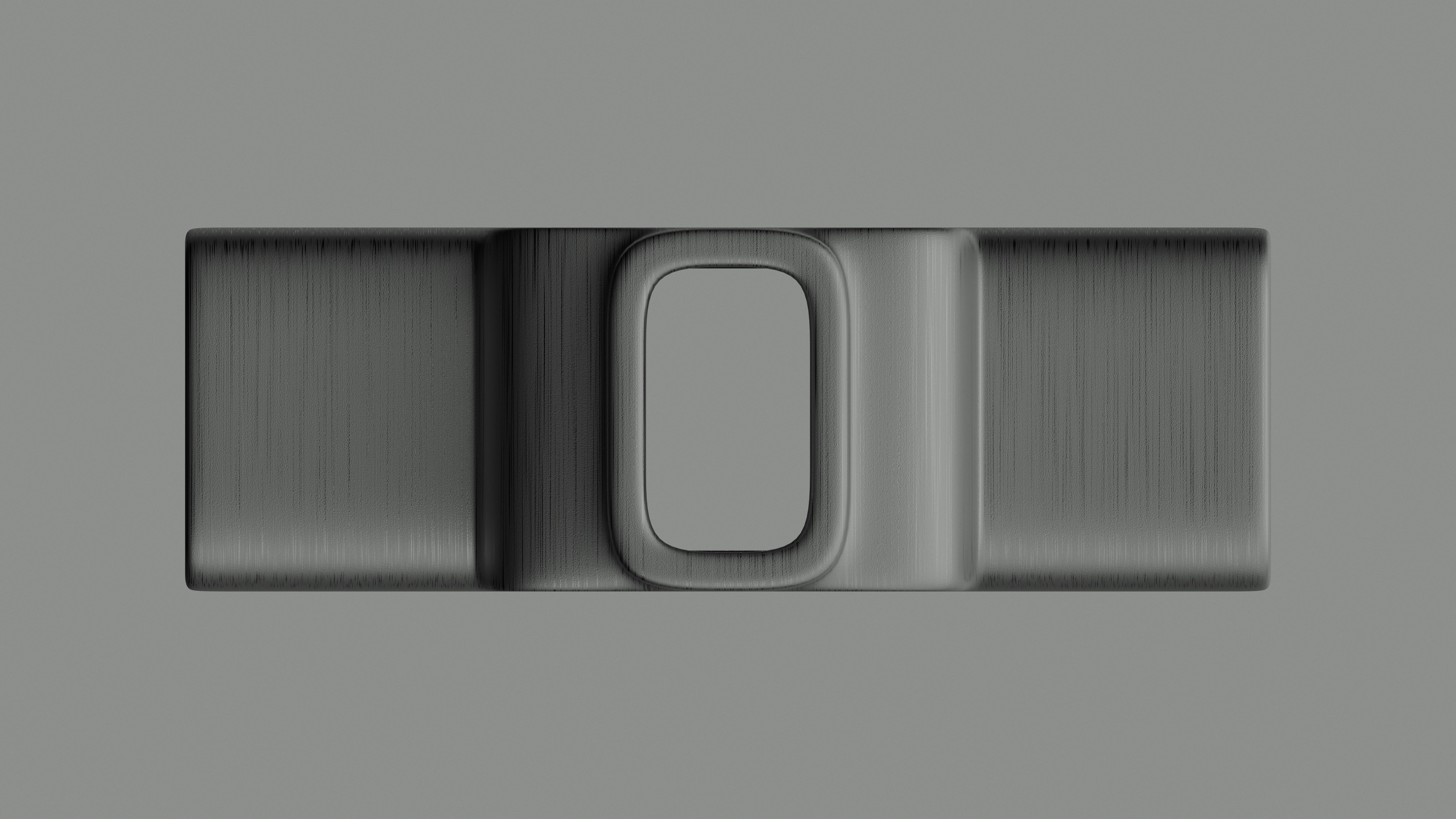
A particularly critical design detail is the inside bend radius. When sheet metal is bent, the material on the outside of the bend stretches, while the material on the inside compresses. Specifying a bend radius that is too small for the material's thickness and ductility can lead to stress concentration, causing cracks or even fractures at the bend line, compromising the part's structural strength. While many CAD programs have a default radius, it's crucial to use a radius that is appropriate for the material and aligns with the fabricator's standard tooling. A common industry standard is an inside bend radius of 0.030 inches for most materials up to 0.125 inches thick. Adhering to standard radii avoids the need for custom tooling, which saves time and money.
Where two or three bends meet at a corner, such as in a box or tray, bend relief cuts are essential. These small notches are strategically placed to prevent the material from tearing or bulging as the flanges are formed. Without proper relief, the compressed metal has nowhere to go, causing distortion that can ruin the part's aesthetics and fit.
Optimizing Wall Thickness and Structural Integrity for Durable Enclosures
The wall thickness, or gauge, of the metal used is a fundamental parameter that directly affects the enclosure's strength, weight, durability, and cost. Choosing the right thickness involves a careful trade-off. A thicker wall provides greater rigidity and impact resistance, but it also increases the weight and material cost of the cabinet. Conversely, a thinner wall reduces weight and cost but may not offer the necessary protection or structural support for the internal components.
When selecting wall thickness, engineers must consider:
- The weight of the components being housed. Heavier equipment requires a stronger, and therefore thicker, enclosure to prevent flexing and ensure stability.
- The operational environment. Enclosures in high-traffic industrial areas or on mobile platforms will need thicker walls to withstand potential impacts and vibrations.
- Regulatory and compliance requirements. Certain industry standards may mandate a minimum wall thickness for safety or performance reasons.
Maintaining a uniform wall thickness across a single part is a key principle of DFM. Since sheet metal fabrication begins with a flat sheet of a specific gauge, designing a part with consistent thickness simplifies the entire manufacturing process. Tools like Finite Element Analysis (FEA) can be used to simulate stresses on the enclosure design, helping engineers optimize the wall thickness to provide the required strength without adding unnecessary material or weight.
The Art of Sealing: Gaskets and Seam Treatments in Metal Cabinet Fabrication
For enclosures that must protect electronics from environmental elements like dust and water, sealing is a critical design consideration. The effectiveness of the seal is what determines the cabinet's Ingress Protection (IP) or NEMA rating. This is achieved through a combination of precision-formed seams and high-quality gasketing.
There are two primary approaches to creating a sealed seam:
- Welding: Seams can be continuously welded to create a permanent, impenetrable barrier. This method offers the highest level of protection and structural integrity. After welding, the seams are typically ground smooth to provide a clean, finished appearance before powder coating or painting.
- Gasketing: In this approach, a compressible gasket is placed in a channel between two mating surfaces, such as a door and the main body of the cabinet. When the door is closed and latched, the gasket is compressed, forming a tight seal.
The choice of gasket material is crucial and depends on the application's specific requirements.
- Silicone offers excellent resistance to high temperatures and UV exposure, making it suitable for outdoor applications.
- Neoprene provides good resistance to oils and chemicals, making it a common choice for industrial environments.
- EMI/RFI shielding gaskets are made from conductive materials and are used to ensure electrical continuity across the seam, preventing leaks that could compromise shielding effectiveness.
The design of the gasket channel and the even application of pressure along the seal are vital for ensuring a consistent and reliable barrier against the elements. Proper seam treatment and gasketing are the final touches that elevate a simple metal box into a truly protective enclosure.
Diverse Manufacturing Methods Shaping Modern Metal Cabinet Fabrication
The journey from a digital design to a physical metal cabinet can take several paths. The choice of manufacturing method is a strategic decision that impacts cost, production speed, design complexity, and scale. Modern fabrication utilizes a range of techniques, each with its own set of strengths and ideal applications. The main contenders are CNC machining, die casting, and sheet metal fabrication, often complemented by finishing processes like powder coating to enhance the final product.
The Versatility of CNC Machining in Precision Metal Cabinet Fabrication
Computer Numerical Control (CNC) machining is a subtractive manufacturing process that creates parts by removing material from a solid block or billet with high-precision cutting tools. Guided by a computer program, CNC machines can produce enclosures and components with extremely tight tolerances and complex geometries. This makes it an invaluable tool for creating precise housings, especially those with integrated features like threaded holes, sealing grooves, and mounting bosses that need to align perfectly with internal electronics.
Achieving High Accuracy for Prototypes and Small Batches
CNC machining is the go-to method for rapid prototyping and low-volume production runs. Its key advantage is the ability to turn a CAD design into a functional, high-precision part in a very short amount of time. Since the process is controlled by software, designers can quickly iterate and refine a design, making adjustments on the fly without investing in physical tooling. This speed and flexibility are crucial during the product development phase, allowing for thorough testing and validation of a design before committing to mass production. The precision of CNC machining ensures that prototypes are dimensionally accurate, providing a true representation of the final product's form, fit, and function.
Eliminating the Need for Costly Hard Tooling
One of the most significant benefits of CNC machining is that it does not require "hard tooling" like molds or dies. These tools, which are necessary for processes like die casting, are expensive to create and can take weeks or even months to produce. By using programmable cutting paths instead of a fixed mold, CNC machining eliminates this massive upfront investment and long lead time. This makes it the most cost-effective solution for producing parts in quantities ranging from a single prototype to several thousand units. When production volumes are below the threshold where die casting becomes economical, CNC machining offers an ideal balance of precision, speed, and cost.
Achieving Efficiency and Scale with Die Casting for Metal Cabinet Fabrication
Die casting is a manufacturing process that involves injecting molten metal, such as aluminum or zinc, into a reusable steel mold (or "die") under high pressure. Once the metal cools and solidifies, the die is opened, and the finished part is ejected. This process is capable of producing intricate and complex shapes with excellent dimensional consistency.
The primary advantage of die casting is its efficiency at high volumes. While the initial cost of creating the die is very high, the cost per part becomes extremely low once the tool is made. The process is incredibly fast, with cycle times often measured in seconds, allowing for the production of thousands or even millions of identical parts. This makes die casting the most economical choice for mass-produced enclosures where the design is stable and unlikely to change. However, due to the high tooling costs, it is generally not a viable option for prototyping or low-volume production.
The Power of Sheet Metal Fabrication for Robust and Customizable Solutions
Sheet metal fabrication is an umbrella term for a collection of processes that shape flat sheets of metal into three-dimensional structures. It is one of the most common and versatile methods for creating metal cabinets and enclosures of all sizes. The process typically involves three main steps:
- Cutting: A flat pattern of the enclosure is cut from a large sheet of metal using methods like laser cutting, CNC punching, or waterjet cutting.
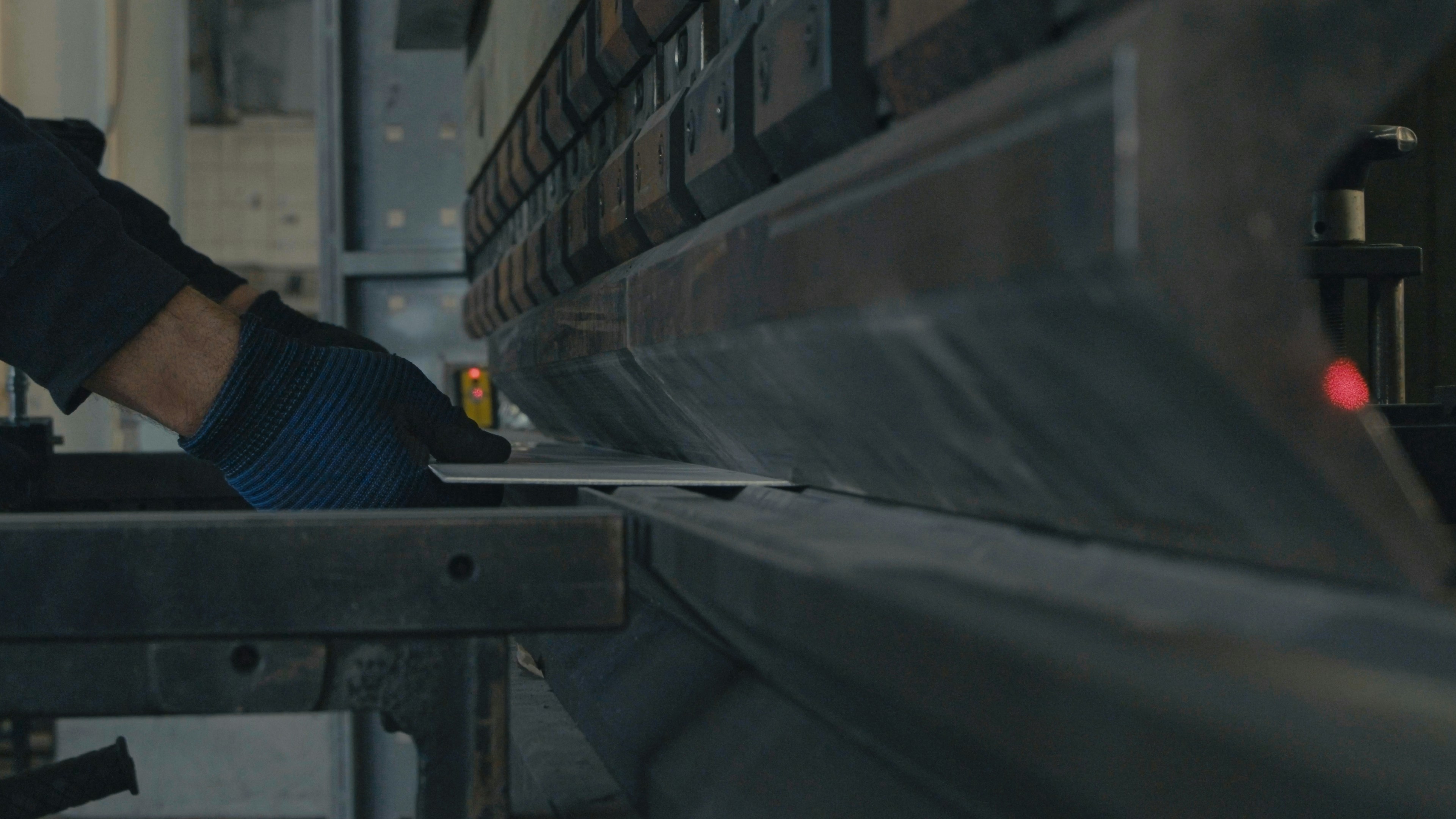
- Forming: The flat pattern is then bent into its 3D shape, most commonly using a press brake.
- Joining: The formed pieces are assembled into the final cabinet structure using techniques like welding, riveting, or fasteners.
Sheet metal fabrication offers an excellent balance of durability, design flexibility, and cost-effectiveness. It is suitable for creating everything from small, simple boxes to large, complex multi-door cabinets. Because it doesn't require hard tooling, lead times are relatively short, and it is well-suited for both rapid prototyping and high-volume production. The strength and malleability of metals like steel and aluminum allow for the creation of robust and durable enclosures that can be customized to meet specific application requirements.
Enhancing Durability and Aesthetics with Powder Coating in Metal Cabinet Fabrication
Finishing is a crucial final step in the fabrication process, and powder coating has become the industry standard for high-quality metal cabinets. It is a dry finishing process where a finely ground powder of pigment and resin is electrostatically applied to the surface of the metal part. The charged powder particles adhere to the grounded part, which is then baked in a curing oven. The heat causes the powder to melt, flow, and chemically cross-link into a smooth, continuous, and highly durable finish.
Powder coating offers numerous advantages over traditional liquid paint:
- Durability: The cured finish is significantly harder and more resistant to scratching, chipping, and fading than most paints.
- Corrosion Resistance: It provides a robust protective layer that seals the metal from moisture and other environmental hazards, preventing rust and corrosion.
- Aesthetic Quality: Powder coating creates a uniform, high-quality finish and is available in a vast array of colors, textures, and gloss levels.
- Environmental Benefits: The process contains no solvents and emits negligible volatile organic compounds (VOCs), making it more environmentally friendly than solvent-based paints.
This durable and attractive finish not only protects the metal cabinet but also enhances its overall appearance, providing a professional look that lasts.
Ensuring Excellence: Testing, Validation, and Standards in Metal Cabinet Fabrication
A metal cabinet's journey doesn't end when the last component is assembled and the final coat of powder is cured. To truly ensure excellence, the fabricated product must undergo a rigorous process of testing and validation. This stage is critical for verifying that the cabinet meets all design specifications and performance requirements before it is deployed in the field. Comprehensive testing provides tangible proof of quality and durability, confirming that the enclosure will reliably protect its valuable contents throughout its service life.
Comprehensive Performance Testing for Metal Cabinet Fabrication
Performance testing is a broad category that encompasses a series of evaluations designed to challenge the cabinet's capabilities under simulated real-world conditions. These tests are not just a quality check; they are an integral part of the engineering process that validates the design and manufacturing choices. Third-party certification from accredited labs can provide unbiased attestation that a product complies with specific industry requirements.
Shielding Effectiveness and EMI/EMC Compliance
In our electromagnetically crowded world, protecting sensitive electronics from interference is crucial. This is where Electromagnetic Compatibility (EMC) and Electromagnetic Interference (EMI) testing come in.
- EMI Testing measures the amount of unwanted electromagnetic energy a device emits to ensure it doesn't interfere with other nearby equipment.
- EMC Testing (or immunity testing) evaluates a device's ability to function correctly in the presence of external electromagnetic interference.
A key part of this is Shielding Effectiveness (SE) testing, which measures how well the cabinet attenuates electromagnetic fields. The general procedure involves placing a transmitting antenna on one side of the enclosure wall and a receiving antenna on the other. A signal is swept through a specific frequency range, and the difference between the signal strength with and without the shielding barrier is calculated. This value, measured in decibels (dB), represents the enclosure's shielding effectiveness. A higher dB value indicates better performance. This testing ensures the cabinet acts as a proper Faraday cage, protecting internal components from external EMI and preventing internal emissions from escaping.
Environmental and Physical Durability Assessments
To ensure a cabinet can withstand the rigors of its intended environment, it must undergo a battery of durability tests. These assessments simulate long-term exposure to various physical and environmental stresses. Key tests include:
- Corrosion Resistance: The ASTM B117 salt spray test is a common accelerated corrosion test. It exposes the coated metal surface to a dense saltwater fog for a specified period (e.g., 72 hours or more) to verify the durability of the finish and its ability to resist rust.
- Temperature and Humidity Cycling: The cabinet is placed in a programmable chamber where it is subjected to cycles of extreme high and low temperatures and varying humidity levels to test for thermal aging and moisture resistance.
- Impact and Vibration Testing: To simulate transportation and operational stress, enclosures undergo shock and vibration testing. This can involve drop tests, impact tests using weighted objects, and being shaken on a vibration table to ensure structural integrity and the security of internal components.
- Load Bearing Tests: Shelves, drawers, and the overall cabinet structure are subjected to static and dynamic loads to verify their weight-bearing capacity and long-term durability under use. For example, a drawer may be cycled 25,000 times while under load to test its operational durability.
Adhering to Industry Standards: IP and NEMA Ratings in Metal Cabinet Fabrication
To provide a clear and standardized way to specify an enclosure's level of protection, two main rating systems are used internationally: IP ratings and NEMA ratings.
IP (Ingress Protection) Ratings, defined by the international IEC 60529 standard, classify the degree of protection an enclosure provides against the intrusion of solid objects (like dust) and liquids (like water). An IP rating consists of two digits:
- First Digit (Solids): Ranges from 0 (no protection) to 6 (completely dust-tight).
- Second Digit (Liquids): Ranges from 0 (no protection) to 9 (protection against high-pressure, high-temperature water jets). For example, an IP66 rated enclosure is dust-tight and protected against powerful water jets.
NEMA (National Electrical Manufacturers Association) Ratings are primarily used in North America. While they also cover ingress protection, their scope is broader than IP ratings. NEMA ratings also consider other factors like corrosion resistance and protection against hazards such as ice formation. Common ratings include:
- NEMA 1: For general-purpose indoor use.
- NEMA 4: Watertight, suitable for indoor or outdoor use.
- NEMA 4X: Watertight and corrosion-resistant, suitable for harsh or marine environments.
While there is no direct one-to-one conversion, the systems are often compared. For instance, a NEMA 4 rating is functionally similar to IP66. It is crucial to understand that NEMA ratings often include requirements that IP ratings do not, such as corrosion resistance. Specifying the correct rating based on the application's environment is essential for ensuring safety and reliability.
| NEMA Rating | Protection Against | Typical IP Equivalent (Approx.) |
|---|---|---|
| NEMA 1 | Indoor use, falling dirt | IP20 |
| NEMA 3R | Outdoor use, rain, sleet, snow | IP24 |
| NEMA 4 | Outdoor use, hose-directed water | IP66 |
| NEMA 4X | Outdoor use, hose-directed water, corrosion | IP66 |
| NEMA 12 | Indoor use, dripping liquids, dust | IP54 |
By rigorously testing to these established standards, manufacturers can confidently deliver metal cabinets that provide a certified level of protection and long-term performance.
Strategic Partnerships for Successful Metal Cabinet Fabrication Projects
Beyond materials, designs, and machinery, the single most important component of a successful metal cabinet fabrication project is the partnership you build with your manufacturer. A great fabricator is more than just a vendor; they are a collaborative partner who brings expertise, quality control, and strategic insight to your project. Choosing the right partner is a critical decision that will influence the quality of your final product, the efficiency of your supply chain, and your total cost of ownership.
Key Considerations When Selecting Your Metal Cabinet Fabrication Partner
Evaluating a potential fabrication partner requires a holistic approach. While cost is a factor, it should not be the only one. A cheap part can become very expensive if it fails in the field or causes production delays. Key criteria to evaluate include:
- Technical Capabilities and DFM: Does the partner have the right equipment and process expertise for your project? More importantly, do they offer proactive Design for Manufacturability (DFM) collaboration? A strong partner will review your designs early, flagging potential manufacturing issues related to bend radii, tolerances, or material selection, ultimately preventing costly rework.
- Quality and Certifications: A robust Quality Management System (QMS) is non-negotiable. Look for certifications like ISO 9001:2015, which demonstrates a commitment to consistent processes, quality assurance, and traceability. For specific industries, certifications like AS9100D (aerospace) or compliance with UL standards are essential.
- Integration Scope: Can the partner handle the entire process, including fabrication, finishing, and electromechanical assembly? A fragmented supply chain with multiple vendors increases schedule risk and creates quality accountability gaps.
- Scalability and Flexibility: The ideal partner can support your project from the initial prototype phase through mid-volume production without high minimum order quantities or long re-tooling delays. This agility ensures that DFM decisions made during prototyping are carried through seamlessly to the final production run.
- Communication and Project Management: A dedicated single point of contact simplifies communication and ensures clear accountability. Look for a partner who is responsive, transparent, and acts as an extension of your own team.
The Advantages of Vertical Integration in Complex Metal Cabinet Fabrication
Vertical integration refers to a manufacturing model where a single company controls multiple stages of the production process under one roof. For metal cabinet fabrication, this means a partner that offers end-to-end services: from laser cutting, bending, and welding to in-house powder coating, screen printing, and even final electromechanical assembly.
Choosing a vertically integrated manufacturer offers significant advantages:
- Improved Quality Control: With all processes managed under a single quality system, there is greater consistency and accountability. There are no handoffs between different vendors, which reduces the chances of errors or miscommunication.
- Reduced Lead Times: By eliminating the time and logistics required to ship parts between different specialty shops (e.g., from a fabricator to a separate paint shop), the overall production timeline is significantly shortened.
- Lower Costs: Consolidating operations reduces logistical overhead, and a single supplier can often offer more competitive pricing by optimizing the entire production cycle.
- Streamlined Communication: Having one point of contact for the entire project simplifies project management and makes resolving any issues that arise much more efficient.
This "one-stop-shop" approach is particularly valuable for complex projects, as it consolidates risk and provides a single source of truth and accountability.

Broker Platforms vs. Factory-Direct Operations for Metal Cabinet Fabrication
When sourcing fabrication services, companies generally have two models to choose from: working with a manufacturing broker or partnering directly with a factory.
Manufacturing Brokers act as intermediaries, connecting buyers with a network of different suppliers. They can offer fast quotes and access to a wide range of capabilities. However, this model comes with potential downsides:
- Lack of Control and Transparency: You may not know which factory is actually producing your parts, which can lead to inconsistent quality control. Brokers do not control the factory floor, limiting their ability to prioritize your job or provide accurate status updates.
- Misaligned Incentives: A broker's primary goal may be to earn a commission, which could lead them to prioritize manufacturers offering them the best terms rather than the ones best suited for your project's quality requirements.
- Communication Gaps: Adding an intermediary can slow down communication and increase the risk of errors, especially when detailed technical specifications or design changes are involved.
Factory-Direct Operations involve working directly with the manufacturer that will be producing your parts. This approach offers several compelling benefits:
- Direct Communication and Collaboration: You have a direct line to the engineers and project managers overseeing your build, allowing for deeper technical collaboration and faster problem-solving.
- Greater Control and Quality Assurance: You have full visibility into the manufacturing process and a clear line of accountability for quality. This is crucial for industries with tight regulations.
- Better Pricing: By eliminating the broker's markup, you are often able to secure a better price and a lower total cost of ownership.
- Stronger Partnership: Working directly fosters a long-term, collaborative relationship built on trust and a shared goal of producing the best possible product.
For projects that require precision, quality control, and a high degree of collaboration, a direct partnership with a vertically integrated manufacturer is almost always the superior strategic choice.
Frequently Asked Questions (FAQ)
1. What is the most common material for metal cabinets and why? Aluminum and steel are the two most common materials. Aluminum is often preferred for its light weight, natural corrosion resistance, and excellent thermal conductivity, making it ideal for housing electronics. Steel is chosen for its superior strength, hardness, and lower material cost, making it perfect for heavy-duty industrial applications where durability is the top priority.
2. What is the difference between an IP rating and a NEMA rating? Both systems rate an enclosure's protection against environmental factors. IP (Ingress Protection) ratings are an international standard focused specifically on sealing against solid objects (dust) and liquids (water). NEMA (National Electrical Manufacturers Association) ratings, used primarily in North America, are broader and cover ingress protection plus other factors like corrosion resistance and the ability to withstand ice formation.
3. When should I choose CNC machining over die casting? CNC machining is the ideal choice for prototypes and low-to-medium production volumes (typically under 5,000 units). It has no upfront tooling costs and offers high precision and fast turnaround for design changes. Die casting is highly cost-effective for mass production (10,000+ units) because, despite a very high initial tooling cost, the per-part cost is extremely low.
4. How important is powder coating for a metal cabinet? Powder coating is extremely important. It provides a durable, hard finish that is far more resistant to scratches, chipping, and fading than liquid paint. This protective layer is also crucial for preventing rust and corrosion on metals like carbon steel. Beyond protection, it offers a high-quality aesthetic finish in a wide variety of colors and textures.
5. What is EMI shielding and why does it matter? Electromagnetic Interference (EMI) is unwanted electronic "noise" from sources like power lines, motors, or wireless signals that can disrupt the functioning of sensitive electronic components. EMI shielding uses a conductive enclosure (like a metal cabinet) to create a Faraday cage, which blocks these external fields from getting in and prevents fields generated inside from getting out. This is critical for ensuring the reliability and compliance of electronic devices.
Conclusion
Ultimately, successful metal cabinet fabrication hinges on a meticulous balance of design expertise, material science, advanced manufacturing techniques, and rigorous quality control. From the initial choice of aluminum or steel to the final validation through IP and NEMA testing, every step is part of an integrated system designed to produce a reliable and robust enclosure. It is a process where microscopic details like a bend radius can have a macroscopic impact on structural integrity, and where the final layer of powder coating serves as both a shield and an aesthetic statement.
By understanding these core principles—the importance of robust protection, the critical role of material science, the precision required in design and manufacturing, and the necessity of verification—we can make more informed decisions. Choosing the right partners, especially those who offer the transparency and control of a factory-direct, vertically integrated model, is paramount. This allows for a transformation of a design concept into a perfectly engineered, durable, and future-proof metal enclosure. Let's continue to push the boundaries of what's possible, leveraging intelligent design and manufacturing to protect the vital technologies that power our world through superior metal cabinet fabrication.