The Unsung Hero of the Server Room: How Network Cabinets Evolved from "Metal Boxes" to "Smart Guardians
- Share
- publisher
- 李川川
- Issue Time
- May 27,2026
Summary
When we think of data centers or enterprise server rooms, the spotlight usually falls on blinking servers, expensive switches, or complex network topologies. Yet, behind these core devices lies an often-overlooked "unsung hero"—the network cabinet.
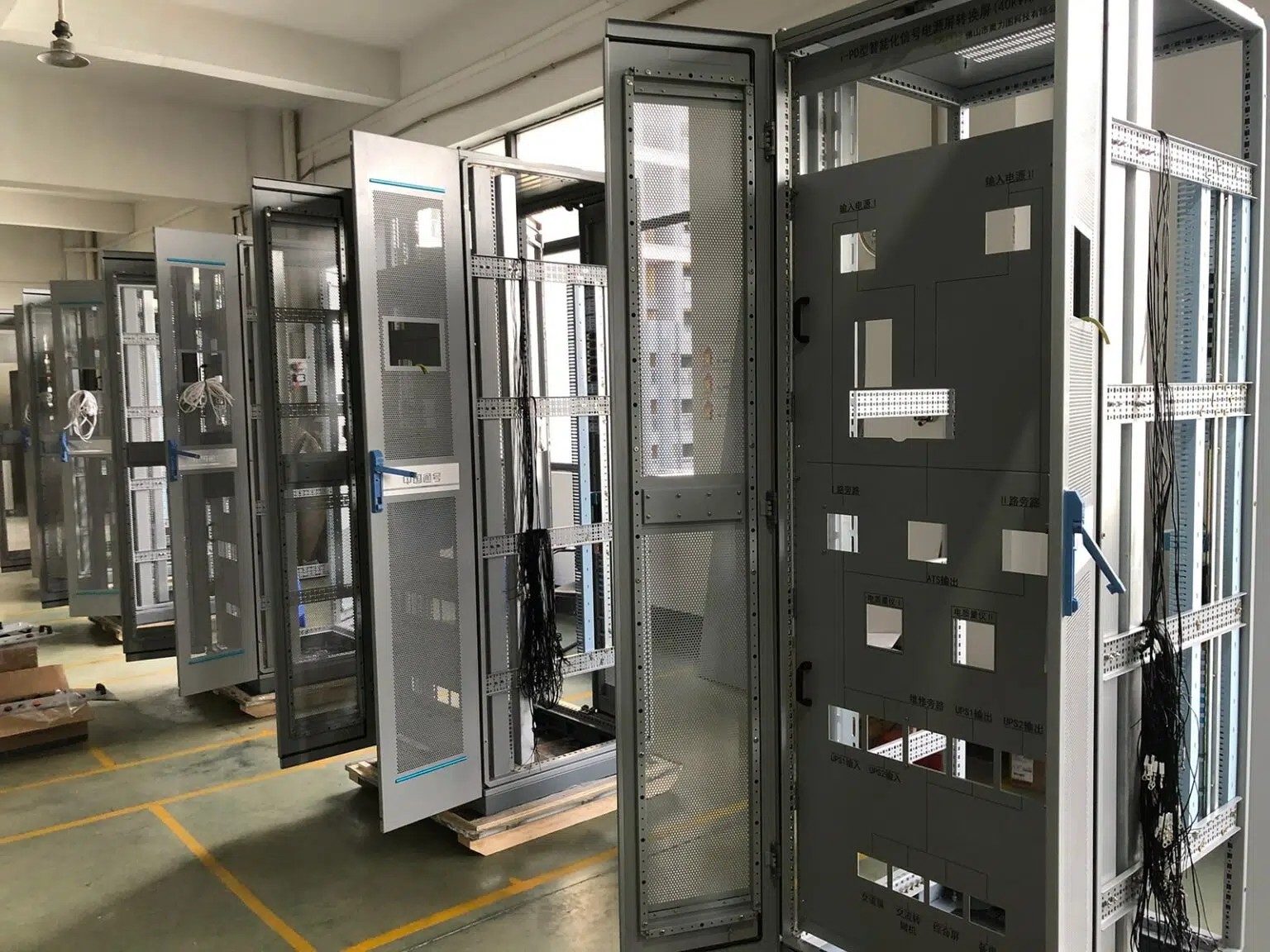
When we think of data centers or enterprise server rooms, the spotlight usually falls on blinking servers, expensive switches, or complex network topologies. Yet, behind these core devices lies an often-overlooked "unsung hero"—the network cabinet.
For many, the perception of a cabinet is still stuck on a generic "metal box to hold gear." However, with the rapid decentralization of digital infrastructure, network cabinets are no longer one-size-fits-all enclosures. They have evolved from passive "equipment containers" into "server room guardians" that integrate physical protection, efficient cooling, and intelligent monitoring.
Beyond the "Metal Box": The Hardcore Evolution of Professional Cabinets
Whether in small-to-medium business offices, university labs, or industrial edge sites, cabinets that look similar on the outside can offer vastly different experiences. A truly professional network cabinet hides a wealth of engineering expertise in its details:
From "Dumb Terminals" to "Edge Sensing Nodes"
With the proliferation of edge computing, many cabinets are now deployed in unattended base stations, factory floors, or outdoor sites. At this point, the role of the cabinet undergoes a qualitative leap—it is no longer a silent "dumb terminal" but has evolved into an "edge node" with sensing capabilities.
Modern smart cabinets come with a rich array of sensor interfaces, easily integrating temperature and humidity monitoring, water leak detection, smoke sensors, and smart meters. Through a local monitoring host, operations teams can grasp the internal environmental status and energy consumption data in real-time via mobile phones or computers, even from thousands of miles away. If a fault or anomaly occurs (such as unauthorized access or overheating), the system immediately pushes an alert. This "predictive maintenance" model drastically reduces the frequency and cost of manual inspections, making centralized management of distributed server rooms a reality.
Conclusion
While network cabinets don't perform core computations, they are the indispensable "Physical OS" of any IT system. When making a selection, paying closer attention to details like cooling architecture, cabling standards, and intelligent expandability can save you multiples of the effort and cost in future long-term operations. After all, in the infrastructure of the digital world, details often determine success or failure.