What You Must Know About Custom Metal Cabinet Fabrication
- Share
- Issue Time
- Oct 1,2026
Summary
Custom metal cabinet fabrication provides essential, tailored enclosure solutions for protecting critical industrial equipment where standard, off-the-shelf options fall short. This specialized manufacturing process focuses on designing and producing enclosures that precisely meet unique client specifications, addressing specific protection requirements, spatial constraints, and functional needs. Key considerations include meticulous design with precision dimensioning using CAD models, and strat

Are you looking to protect your critical equipment with a robust and precise enclosure? We understand the unique challenges industries face, and that's precisely why custom metal cabinet fabrication is often the answer. When off-the-shelf solutions fall short, a purpose-built enclosure ensures that your sensitive electronics, control systems, and machinery are shielded from environmental hazards and operational stresses. This tailored approach moves beyond simple housing to become an integral part of your system's reliability and longevity.
In this blog post, I'll guide you through everything you need to know about custom metal cabinet fabrication, from initial design concepts to ensuring your enclosure meets the highest standards for protection and performance. We will delve into the nuances of material selection, the importance of industry compliance, and the collaborative process of bringing a unique design to life. The goal is to provide a comprehensive roadmap for anyone considering a custom solution for their equipment.
Let's explore how tailored solutions can safeguard your technology, enhance operational efficiency, and provide long-term value. By making informed decisions at every stage—from specifying dimensions to choosing the right finishing—you can procure an enclosure that not only fits perfectly but also performs flawlessly under pressure.
The Essentials of Custom Metal Cabinet Fabrication: What It Is and Why It Matters
Custom metal cabinet fabrication represents a specialized manufacturing sector focused on designing and producing enclosures tailored to exact client specifications. Unlike mass-produced, standard-sized boxes, these custom solutions are engineered from the ground up to meet unique protection requirements, spatial constraints, and functional needs. This process is crucial for industries where equipment protection is non-negotiable, ensuring that sensitive components are shielded from everything from dust and moisture to electromagnetic interference.
Defining Custom Metal Enclosures for Your Needs
A custom metal enclosure is far more than just a metal box; it is a meticulously engineered housing designed to protect specific electrical or electronic equipment in a particular environment. The fabrication process begins with a detailed consultation to understand the application, the components to be housed, and the operational setting. This allows fabricators to create a solution that precisely matches a client's requirements, which may include specific dimensions, mounting options, and access points. [1] Customization can involve unique cutouts for cables and controls, integrated cooling systems, and specialized locking mechanisms. [2] Ultimately, a custom enclosure is defined by its ability to provide a perfect-fit solution where standard products would fail, ensuring optimal performance and protection for the enclosed assets. [1]
The Critical Role of Customization in Metal Cabinet Fabrication
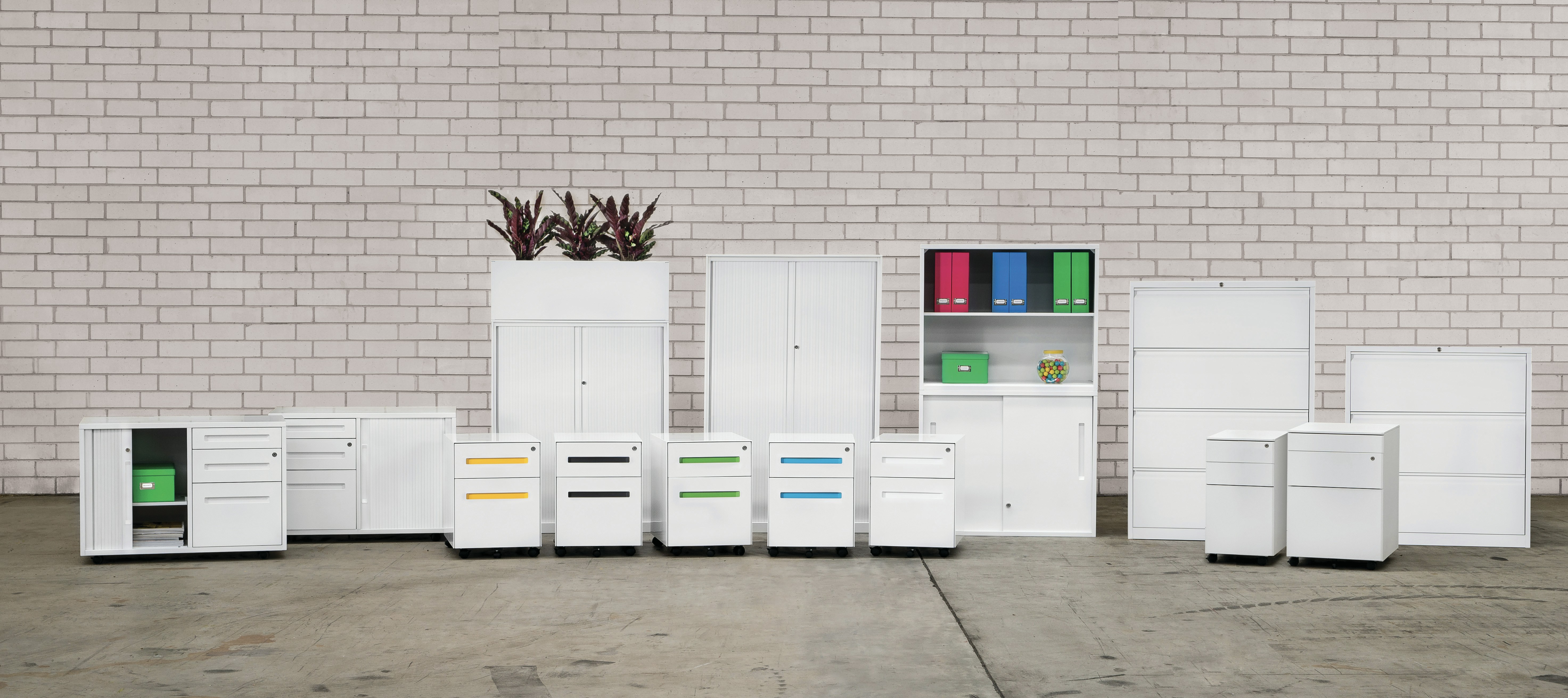
The primary role of customization in metal cabinet fabrication is to bridge the gap between standard offerings and specific application demands. Standard enclosures often force engineers to compromise on design, which can lead to inefficient use of space, inadequate protection, or difficulties during installation and maintenance. Customization eliminates these compromises. It allows for the integration of unique features directly into the cabinet's design, such as reinforced frames for heavy loads, specific NEMA or IP ratings for environmental protection, and tailored thermal management solutions.
Moreover, customization is critical for achieving optimal functionality and user experience. Enclosures can be designed with ergonomic considerations, such as the placement of doors, handles, and human-machine interfaces (HMIs) to streamline operator access and servicing. By tailoring every aspect of the cabinet, from its material and thickness to its finish and color, manufacturers ensure that the final product not only protects the equipment but also integrates seamlessly into the surrounding workflow and environment. [2]
Beyond Standard: How Unique Needs Drive Custom Metal Cabinet Fabrication
The demand for custom metal cabinet fabrication is driven by the unique and often complex needs of modern industries. A standard enclosure is unlikely to meet the stringent requirements of a medical imaging device, which may need EMI/RFI shielding and a specific aesthetic, or an outdoor telecommunications hub, which requires robust weatherproofing and thermal management to function reliably in extreme temperatures. These specialized applications are where custom fabrication truly shines.
Consider these examples of unique needs that necessitate custom solutions:
- Hazardous Locations: Equipment operating in environments with flammable gases or combustible dust requires enclosures built to strict explosion-proof or purged standards (e.g., NEMA 7 or 9).
- Corrosive Environments: Marine applications or chemical processing plants demand enclosures made from corrosion-resistant materials like 316 stainless steel or specially coated aluminum. [3]
- Complex Component Layouts: If an assembly includes a non-standard arrangement of parts, a custom cabinet can be designed with precise mounting points, internal bracketing, and compartmentalization to organize and secure every component.
- Aesthetic and Branding Requirements: For OEM products or equipment in public-facing areas, custom enclosures can be designed to match corporate branding with specific colors, logos, and a high-end finish.
In each case, custom fabrication provides a solution that is not just adequate but optimized for performance, safety, and longevity.
Navigating Design and Material Choices in Quality Metal Cabinet Fabrication
The quality and performance of a custom metal cabinet are determined long before the first piece of metal is cut. The design and material selection phases are arguably the most critical stages in the entire fabrication process. A well-thought-out design ensures the enclosure will fit its intended space and function as required, while the right material provides the necessary durability and protection against environmental challenges. These initial decisions have a cascading effect on the cabinet's cost, lifespan, and ability to safeguard the valuable equipment inside.
Precision Dimensioning for Your Custom Metal Cabinet
Achieving precise dimensions is the foundation of successful custom cabinet fabrication. It begins with creating detailed CAD (Computer-Aided Design) models that specify not only the external height, width, and depth but also the exact placement of all features. This includes cutouts for cables, vents, and user interfaces, as well as mounting holes for internal components and external hardware. Precision is key to avoiding costly and time-consuming modifications on-site.
Modern fabricators utilize advanced software to ensure every dimension is accurate. [6] This digital-first approach allows for simulations and virtual fit-tests, ensuring that all components will align perfectly before any material is processed. Factors to consider during the dimensioning phase include:
- Internal Clearance: Ensuring enough space around components for airflow and heat dissipation.
- External Constraints: Accounting for the available footprint and any nearby obstructions where the cabinet will be installed.
- Door Swing and Access: Planning for adequate clearance for doors and access panels to open fully for maintenance.
- Bend Radii: The design must account for the natural bend radius of the chosen sheet metal to maintain dimensional accuracy after forming. [5]
Strategic Material Selection for Robust Metal Cabinet Fabrication (Steel, Aluminum, Stainless Steel)
Choosing the right material is a balancing act between environmental conditions, strength requirements, weight limitations, and budget. The three most common materials used in metal cabinet fabrication are steel, aluminum, and stainless steel, each offering distinct advantages.
| Material | Key Properties & Advantages | Common Applications | Considerations |
|---|---|---|---|
| Carbon Steel | Strong, durable, and cost-effective. Easily formed and welded. | General-purpose indoor enclosures, industrial control cabinets, machinery housing. | Prone to rust if not properly coated (e.g., powder coating). [7] Heavy. |
| Aluminum | Lightweight (about 1/3 the weight of steel), corrosion-resistant, and non-sparking. Good thermal and electrical conductivity. | Outdoor enclosures, portable equipment, telecommunications, marine environments. | Lower strength than steel. Higher initial cost. Welding requires specialized equipment. [4, 7] |
| Stainless Steel | Superior corrosion and chemical resistance. Aesthetically pleasing and easy to clean. Very strong and durable. | Food processing, pharmaceutical, medical, marine, and highly corrosive environments. [3, 7] | Highest material cost. Can be more challenging to machine and fabricate. |
Strategic selection involves analyzing the cabinet's operational environment. An indoor, climate-controlled setting may only require powder-coated carbon steel, while a cabinet on a ship deck would necessitate 316 stainless steel to withstand saltwater spray. [3]
Essential Surface Treatments and Finishes for Metal Cabinet Fabrication
The surface finish of a metal cabinet is not just for aesthetics; it provides the primary layer of defense against corrosion, abrasion, and environmental degradation. The choice of finish depends on the base material and the specific protective qualities required.
- Powder Coating: This is the most popular finish for carbon steel and aluminum cabinets. A dry powder is applied electrostatically and then cured under heat to form a hard, durable, and uniform skin. [8] It offers excellent resistance to chipping, scratching, and fading and is available in a vast range of colors and textures.
- Anodizing: Primarily used for aluminum, this electrochemical process grows a hard, corrosion-resistant oxide layer on the surface. It is very durable and will not peel or chip, though color options are more limited than powder coating.
- Plating: Processes like zinc or chrome plating involve applying a thin layer of another metal to a steel substrate. This is often used to provide corrosion resistance and a bright, reflective finish.
- Brushed or Grained Finish: Commonly applied to stainless steel, this mechanical finish creates a distinctive look with fine, parallel lines. It helps to hide fingerprints and minor scratches, making it ideal for high-touch surfaces.
A properly applied finish is critical to the longevity of the enclosure, especially for those deployed in harsh outdoor or industrial settings.

Maximizing Design Flexibility for Optimal Performance in Metal Cabinet Fabrication
Design flexibility is a core benefit of custom fabrication, allowing engineers to create enclosures that are optimized for a specific function rather than adapted from a standard product. This flexibility extends to nearly every aspect of the cabinet. For example, cooling solutions can be precisely integrated, from simple louvers and fan cutouts to mounting points for complex heat exchangers or air conditioning units. [9]
Other areas where design flexibility enhances performance include:
- Modular Construction: Designing cabinets that can be easily expanded or reconfigured in the future protects the initial investment.
- Integrated Mounting Features: Incorporating features like DIN rails, back panels, and component mounting studs directly into the design saves time during final assembly.
- Accessibility: Multiple door options, removable panels, and strategically placed access points can be designed to simplify installation and maintenance procedures.
- Cable Management: Custom solutions can include specific entry and exit points, conduit knockouts, and internal routing channels to keep wiring organized and protected.
By leveraging this flexibility, you can ensure the cabinet not only protects its contents but also enhances the overall system's efficiency and ease of use.
Ensuring Protection and Compliance: Key Standards in Metal Cabinet Fabrication
In the world of industrial and electronic equipment, an enclosure's primary job is to protect. This protection isn't a matter of guesswork; it's defined by a rigorous set of standards that classify a cabinet's ability to resist environmental ingress and other hazards. For a custom metal cabinet to be truly effective, it must be designed and fabricated to meet specific compliance standards like NEMA and IP ratings, while also addressing critical factors like thermal management, electromagnetic interference, and even seismic survivability. Adhering to these standards ensures reliability, safety, and regulatory approval.
Understanding Environmental Ratings: NEMA and IP in Metal Cabinet Fabrication
Two of the most important standards in enclosure specification are NEMA (National Electrical Manufacturers Association) ratings, used predominantly in North America, and IP (Ingress Protection) ratings, which are common internationally. [10] Both systems define the degree of protection an enclosure provides against the ingress of foreign objects (like dust and dirt) and moisture (from drips to submersion).
While they are often compared, they are not directly equivalent because NEMA ratings also include criteria for corrosion resistance and construction details. [10, 11]
Here is a simplified comparison of common ratings:
| NEMA Rating | Protection Against | Common IP Equivalent |
|---|---|---|
| NEMA 1 | Dust, light, and indirect splashing. Indoor use. | IP20 |
| NEMA 3R | Rain, sleet, snow, and external ice formation. Outdoor use. | IP24 |
| NEMA 4 | Windblown dust and rain, splashing water, and hose-directed water. | IP66 |
| NEMA 4X | Same as NEMA 4, plus corrosion resistance. | IP66 |
| NEMA 6P | Prolonged submersion at a limited depth. | IP67 |
| NEMA 12 | Dripping and light splashing of non-corrosive liquids, circulating dust. Indoor use. | IP55 |
Choosing the right rating is critical. A NEMA 4X stainless steel cabinet is essential for a food processing plant where high-pressure, corrosive chemical washdowns occur, while a NEMA 1 enclosure is sufficient for a climate-controlled server room.
Thermal Management and EMI Shielding for Effective Metal Cabinet Fabrication
Effective protection goes beyond keeping out dust and water. Internal and external factors like heat and electromagnetic interference can be just as damaging to sensitive electronics.
Thermal Management: All electronic components generate heat, and if trapped within a sealed enclosure, rising temperatures can lead to performance degradation and premature failure. Custom fabrication allows for the integration of tailored thermal management solutions:
- Passive Cooling: Louvers, vents, and breathable membranes that allow heat to escape through natural convection.
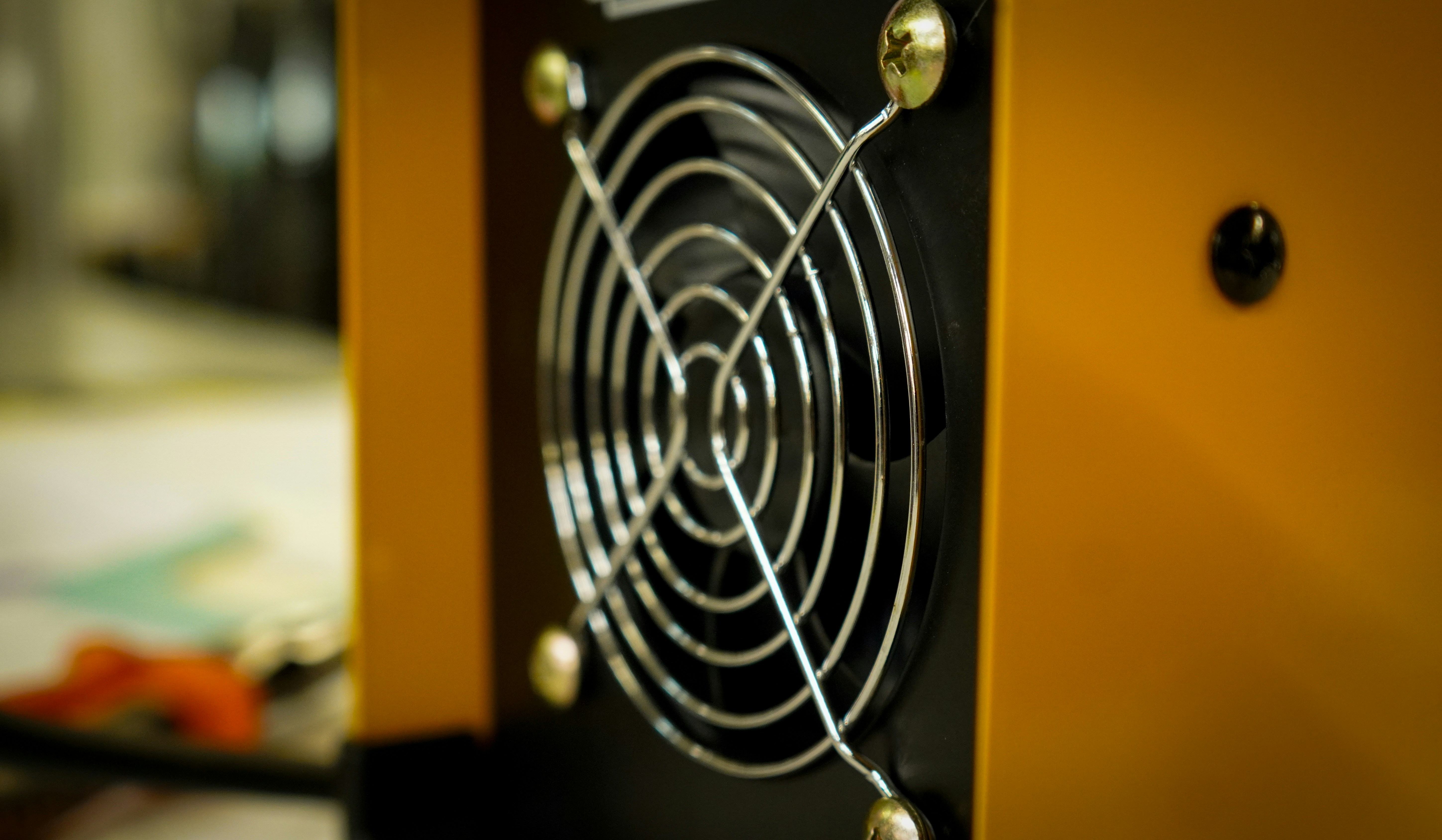
- Active Cooling: Incorporating fans, air conditioners, heat exchangers, or thermoelectric coolers for applications with high heat loads. [9, 13] The design process involves calculating the total heat output of the internal components to specify a cooling system that can maintain a safe operating temperature inside the cabinet.
Electromagnetic Interference (EMI) Shielding: EMI, sometimes called Radio Frequency Interference (RFI), is electronic noise that can disrupt the function of circuits. Many industries, including telecommunications, medical, and military, require enclosures that can block this interference. This is achieved through:
- Conductive Materials: Using materials like aluminum or steel that naturally block electromagnetic fields.
- EMI Gaskets: Installing special conductive gaskets around doors and access panels to ensure a complete seal. [14]
- Filtered Vents: Using honeycomb-style vents that allow airflow but block electromagnetic waves. Custom fabricators can design and test enclosures to meet specific EMI/RFI attenuation requirements, ensuring signal integrity for the components inside.
Achieving Seismic Survivability and Hazard Resistance in Metal Cabinet Fabrication
For critical infrastructure located in earthquake-prone regions or hazardous industrial environments, enclosures must be designed to withstand extreme physical stresses.
Seismic Survivability: A seismic-rated cabinet is engineered to maintain its structural integrity and protect its contents during an earthquake. This involves:
- Reinforced Construction: Using thicker gauge metal, continuously welded seams, and additional frame stiffeners to resist vibrational forces.
- Robust Anchoring: Designing a mounting system that can securely fasten the cabinet to the floor or wall.
- Testing and Certification: Cabinets can be physically tested on a shake table or analyzed using finite element analysis (FEA) to certify they meet standards like the Telcordia GR-63-CORE for telecommunications equipment.
Hazardous Location Resistance: Certain industrial environments are classified as hazardous due to the presence of flammable gases, vapors, or combustible dust. Enclosures for these locations must be designed to prevent the internal electronics from becoming an ignition source. This can be achieved through:
- Explosion-Proof (NEMA 7, 8, 9): These incredibly robust enclosures are built to contain an internal explosion and prevent it from igniting the surrounding atmosphere.
- Purged/Pressurized Systems (Type X, Y, Z): These systems push clean air or an inert gas into the enclosure to maintain positive pressure, preventing hazardous substances from entering.
Designing for these high-stakes environments requires deep expertise in the relevant codes and standards to ensure personnel safety and operational continuity.
The Art and Science of Quality Metal Cabinet Fabrication: Choosing Your Partner
Selecting the right fabrication partner is as crucial as the design and material choices themselves. A quality fabricator is more than just a vendor; they are a collaborator who brings expertise, advanced technology, and a commitment to quality to your project. The process of creating a custom metal cabinet is a blend of scientific precision—involving engineering, material science, and adherence to standards—and artistic skill, seen in the craftsmanship of the final product. Your choice of partner will ultimately determine the success, durability, and value of your investment.
Key Steps in the Custom Metal Cabinet Fabrication Process
Understanding the fabrication workflow helps in managing expectations and collaborating effectively with your chosen partner. While specifics may vary, the core process generally follows these key steps:
- Consultation and Design: This initial phase is a deep dive into your requirements. The fabricator's engineering team works with you to define the cabinet's dimensions, functionality, material, and compliance needs. This culminates in a detailed 3D CAD model for your approval. [16]
- Programming and Laser Cutting: Once the design is finalized, it's programmed into CNC (Computer Numerical Control) machines. A high-precision laser cutter then cuts the flat pattern of the cabinet's parts from sheets of the selected metal. [15] This technology allows for intricate shapes and precise cutouts.
- Forming and Bending: The flat metal parts are moved to a CNC press brake, where they are expertly bent and formed into the three-dimensional components of the enclosure, such as the body, doors, and panels.
- Welding and Assembly: The formed parts are assembled and welded together to create the main structure of the cabinet. Skilled welders ensure the seams are strong and clean. Continuous seam welding is often used for high NEMA/IP ratings to guarantee a watertight seal. [17]
- Grinding and Finishing: After welding, any rough spots are ground down to create smooth, seamless surfaces. The cabinet then proceeds to the surface treatment stage, such as powder coating or anodizing, to apply the protective and aesthetic finish.
- Hardware Installation and Final Assembly: Doors are hung, locks and handles are installed, and any specified accessories like gaskets, window kits, or mounting hardware are fitted.
- Quality Control and Inspection: Throughout the process, and especially at the end, the cabinet undergoes rigorous quality checks. This includes dimensional verification, finish inspection, and testing for compliance with standards like NEMA or IP ratings.
The Importance of Industry Certifications and Quality Control in Metal Cabinet Fabrication
Certifications are a clear indicator of a fabricator's commitment to quality, consistency, and safety. When vetting potential partners, look for key industry credentials:
- ISO 9001:2015: This is the international standard for a Quality Management System (QMS). An ISO 9001 certified fabricator has proven processes in place to ensure they consistently deliver products that meet customer and regulatory requirements. [18]
- UL Certification: Underwriters Laboratories (UL) provides safety certifications. If your cabinet needs to be listed as compliant with standards like UL 50 or UL 508A, your fabricator must be part of the UL program, which involves regular inspections and adherence to strict construction guidelines.
- AWS Certified Welders: Certification from the American Welding Society (AWS) ensures that the welders working on your enclosure have demonstrated a high level of skill and knowledge, leading to stronger and more reliable welds.
Robust internal quality control is just as important. A good partner will have documented inspection points at every stage of production, from raw material verification to final assembly checks, ensuring that any potential issues are caught and corrected early.
Leveraging Experienced Engineering Support in Metal Cabinet Fabrication
The value of a fabricator with a strong, in-house engineering team cannot be overstated. Experienced engineers act as a bridge between your concept and a manufacturable, cost-effective reality. They can:
- Optimize for Manufacturability (DFM): Review your initial design and suggest modifications that will make the cabinet easier and more economical to produce without sacrificing performance. This might involve changing a bend radius slightly or adjusting a part's design to reduce waste material.
- Provide Material and Finish Expertise: Recommend the best materials and finishes for your specific application and budget, ensuring long-term durability.
- Ensure Compliance: Guide you through the complexities of NEMA, IP, UL, and other standards, ensuring your final design meets all necessary requirements from the outset.
- Solve Problems: A creative engineering team can devise innovative solutions for unique challenges, such as complex thermal management issues or unusual mounting requirements.
Collaborating with a partner who offers this level of engineering support transforms the relationship from a simple transaction to a true partnership, leading to a superior final product.
Balancing Cost and Durability: Sheet Thickness Decisions in Metal Cabinet Fabrication
One of the key decisions that impacts both the cost and durability of a custom cabinet is the thickness, or gauge, of the sheet metal. Thicker metal is stronger and more rigid but also heavier and more expensive. Finding the right balance is crucial.
- 16-Gauge (approx. 1.5mm): A common choice for smaller enclosures or those in less demanding indoor environments. Offers a good balance of strength and cost.
- 14-Gauge (approx. 1.9mm): The industry workhorse. Provides substantial rigidity and is suitable for most medium to large industrial enclosures, offering good protection against impacts. [19]
- 12-Gauge (approx. 2.6mm): Used for larger cabinets, heavy-duty applications, or when specified for standards like NEMA 12. Offers increased security and structural integrity.
- 10-Gauge (approx. 3.4mm) and Thicker: Typically reserved for very large enclosures, high-security applications, or frames that need to support extremely heavy loads.
An experienced fabricator can help you make an informed decision by analyzing the size of your cabinet, the weight of the components it will hold, and the physical stresses it's likely to encounter in its operating environment. Choosing the appropriate gauge ensures you are not over-engineering (and overpaying for) a cabinet that doesn't need it, nor under-engineering one that requires robust protection.
Ultimately, investing in expert custom metal cabinet fabrication means choosing superior protection, optimal performance, and a perfect fit for your specific industrial needs. From safeguarding sensitive electronics in a data center to housing critical controls in a harsh outdoor environment, a purpose-built enclosure is a foundational element of system reliability.
By focusing on intelligent design, quality materials, and a reliable manufacturing partner, we can achieve efficiency and safety that stand the test of time. The journey from concept to a completed cabinet is a collaborative one, where clear communication and expert guidance lead to a solution that perfectly aligns with your operational goals and technical specifications.
We hope this guide has illuminated the crucial aspects of custom metal cabinet fabrication, empowering you to make informed decisions for your next project. When you prioritize customization, you are not just buying a box; you are investing in a long-term asset that protects your technology and enhances your operations.