Sheet Metal Processing Enterprises: How Technology Reshapes the Future of Traditional Manufacturing?
- Share
- Issue Time
- Feb 4,2026
Summary
This article explores the shift of sheet metal processing to intelligent automation, highlights its core benefits, and forecasts smarter and greener development for future competitiveness.
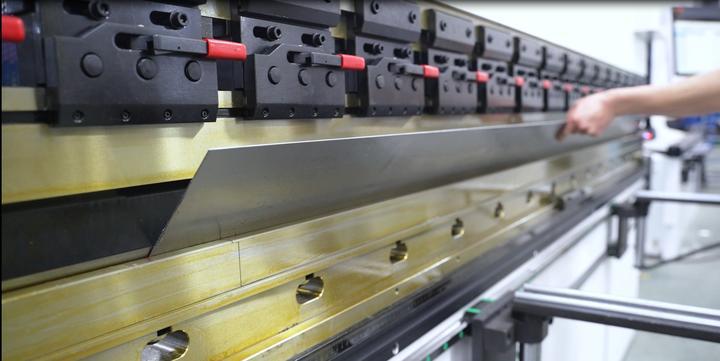
In the wave of manufacturing transformation, traditional sheet metal processing is undergoing profound changes. Sheet metal automation enterprises are realizing the leap from labor-intensive to technology-driven development through technological innovation. Unlike simply replacing manual labor with machines, these enterprises integrate advanced technologies to build intelligent systems covering the entire production process, which essentially reconstructs production logic from human-dominated to data-driven, enabling more proactive and efficient production management.
Technological empowerment brings significant core advantages to sheet metal automation enterprises. Automated production lines can operate continuously, effectively improving production efficiency and precision while reducing errors caused by manual operations. Modular design also enables flexible production, allowing enterprises to quickly adapt to customized order needs and narrow the cost gap between customized and standardized products. In the long run, automation helps optimize cost structures by reducing labor input, material waste and equipment downtime.
The future development of sheet metal automation will focus on higher-level intelligence and green manufacturing, with technologies such as digital twins and 5G-edge computing promoting industrial upgrading and sustainable development. Embracing automation has become an inevitable choice for sheet metal enterprises to adapt to future competition, and its technological achievements have been widely applied in various daily-related components, injecting new vitality into the traditional manufacturing industry.