2026 Latest Trends in Global Sheet Metal Fabrication Industry
- Share
- publisher
- 李川川
- Issue Time
- Jun 8,2026
Summary
As a fundamental manufacturing processes, sheet metal processing covers laser cutting, precision bending, robotic welding, and surface treatment, serving core industrial components worldwide.
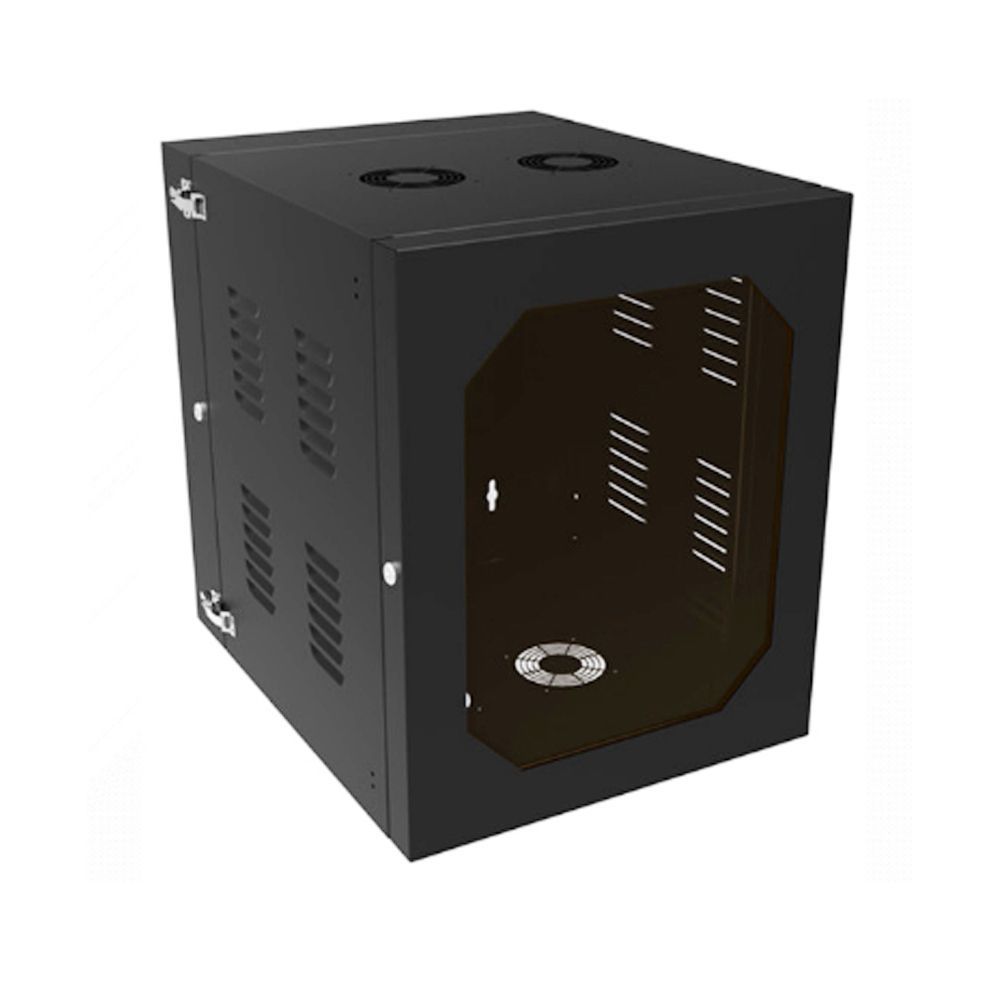
June 2026 – The global sheet metal fabrication industry is experiencing steady and transformative growth in 2026, driven by booming AI infrastructure development, advanced smart manufacturing upgrades, and rising demand from new energy, electronics, and construction sectors. As one of the most fundamental manufacturing processes, sheet metal processing covers laser cutting, precision bending, robotic welding, and surface treatment, serving core industrial components worldwide.
One of the most prominent industry trends in 2026 is the surging demand for high-precision sheet metal parts for AI data centers and server equipment. With the rapid upgrade of artificial intelligence computing systems, modern data centers require high-density server enclosures, heat-dissipation structures, and sturdy chassis components. These applications demand strict tolerance accuracy, stable structural performance, and optimized surface quality, greatly raising the manufacturing standards for conventional cold-rolled steel, galvanized steel, and aluminum sheet metal products.
Smart manufacturing and automated production have become standard competitiveness for mainstream sheet metal manufacturers. Traditional manual processing is gradually replaced by integrated production lines including CNC laser cutting, intelligent bending, automatic welding, and robotic polishing. Digital manufacturing systems help factories achieve high-mix, low-volume order production, significantly shortening production lead time and improving product consistency. This digital transformation enables sheet metal suppliers to better meet customized industrial OEM and ODM demands from global clients.
Sustainable and green production has also become a key development direction for the global sheet metal industry. Affected by international carbon emission standards and ESG trade requirements, manufacturers are widely adopting energy-saving processing equipment and metal recycling systems. Low-carbon steel plates, environmentally friendly surface galvanizing, and anti-corrosion treatment technologies are increasingly applied to reduce production waste and lower carbon footprints.
Looking forward, the global sheet metal fabrication market will maintain stable growth in 2026. Benefiting from the expansion of data center construction, new energy vehicle manufacturing, and global industrial infrastructure investment, high-precision, customized, and environmentally friendly sheet metal products will remain in strong market demand. Enterprises with mature automated production capabilities and strict quality control systems will gain more advantages in global trade competition.